

Introduction
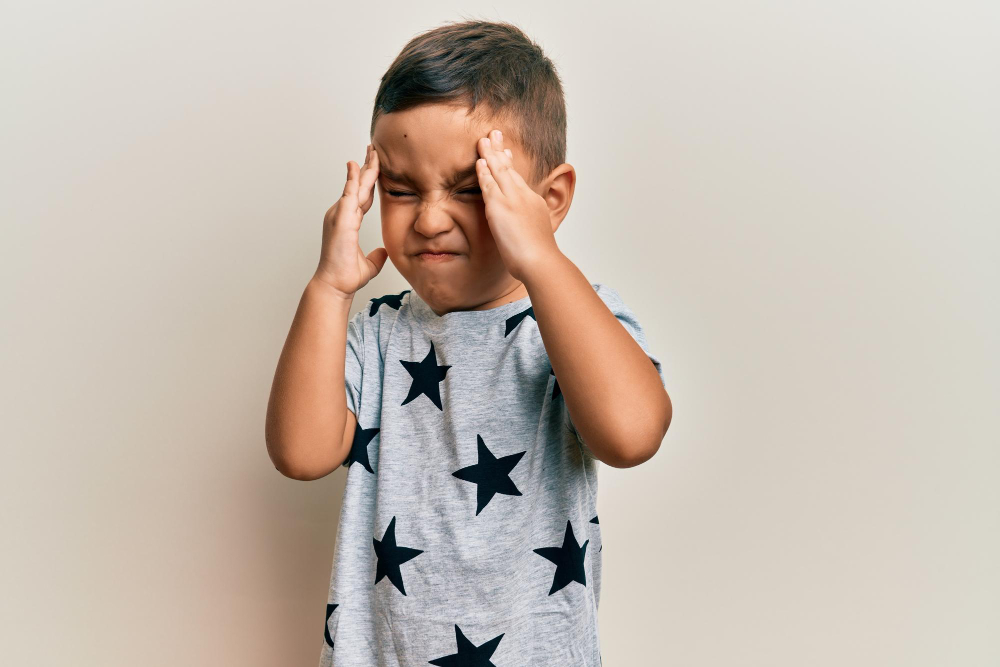
Many children experience headaches and migraines, but these problems can get worse during winter. Headaches & migraine triggers during winter are common, especially when the weather turns cold. Parents and caregivers should know what signs to watch for and how to help. In this blog, we will explain the causes, symptoms, and ways to prevent headaches and migraines in children during the colder months.
Common Symptoms of Headaches and Migraines in Children
Children may not always describe their pain clearly. However, certain signs can help you spot headaches or migraines. For example, children may:
- Complain of pain in the forehead or sides of the head
- Feel sick to their stomach or vomit
- Become sensitive to light or sound
- Look pale or tired
- Want to lie down in a quiet, dark room
- Have trouble focusing or feel dizzy
Sometimes, children may also cry or become irritable. If these symptoms happen often, it could be a migraine. Early recognition helps in managing pediatric migraine winter triggers.
Causes & Triggers: Why Headaches and Migraines Happen More in Winter
Winter brings several changes that can trigger headaches and migraines in kids. Understanding these triggers helps with child headache prevention in cold weather. Some common winter triggers include:
- Cold weather: Sudden drops in temperature can cause blood vessels to tighten, leading to headaches.
- Indoor heating: Dry air from heaters can cause dehydration and headaches.
- Dehydration: Children may drink less water in winter, increasing headache risk.
- Changes in routine: School breaks, less outdoor play, and altered sleep patterns can be triggers.
- Strong smells: Scented candles or air fresheners used indoors may cause headaches in sensitive children.
- Less sunlight: Shorter days can affect mood and sleep, leading to more headaches.
Because these triggers are common in winter, it is important to watch for winter migraine symptoms in kids.
Diagnosis: How Doctors Identify Headaches and Migraines in Children
Doctors use a careful process to diagnose headaches and migraines in children. First, they ask about the child’s symptoms and medical history. Next, they may perform a physical exam. Sometimes, doctors ask parents to keep a headache diary. This helps track when headaches happen and what might cause them. In rare cases, tests like brain scans are needed to rule out other problems. However, most headaches do not need special tests. You should seek medical help if:
- Your child has headaches more than once a week
- The pain is very severe or sudden
- There are changes in vision, speech, or movement
- Your child has a fever, stiff neck, or confusion
Early diagnosis helps manage pediatric migraine winter triggers and keeps your child healthy.
Treatment Options: Safe Ways to Help Children with Headaches and Migraines
There are several safe ways to treat headaches and migraines in children. For mild pain, home remedies often help. For example:
- Encourage your child to rest in a quiet, dark room
- Offer water to prevent dehydration
- Place a cool cloth on the forehead
- Help your child relax with deep breathing or gentle music
If pain is stronger, doctors may suggest child-safe medicines like acetaminophen or ibuprofen. However, always follow your doctor’s advice on dosage. Avoid giving aspirin to children, as it can cause serious side effects. In some cases, doctors may recommend other treatments for frequent migraines. According to the CDC and pediatric experts, never use adult migraine medicines for children without medical guidance.
Prevention Tips: How to Reduce Headaches and Migraines in Winter
Preventing headaches and migraines is possible with a few simple steps. Especially during winter, try these tips for child headache prevention in cold weather:
- Encourage regular water intake, even if your child is not thirsty
- Keep indoor air moist with a humidifier
- Maintain a steady sleep schedule, even during holidays
- Limit strong smells from candles or sprays
- Dress your child warmly before going outside
- Offer healthy snacks to avoid hunger-related headaches
- Encourage breaks from screens and bright lights
With these steps, you can help lower the risk of winter migraine symptoms in kids.
Lifestyle Guidance: Healthy Routines for Winter Months
Healthy habits make a big difference during winter. For example, try to:
- Set regular meal and sleep times
- Encourage gentle indoor activities, like stretching or yoga
- Open curtains during the day for natural light
- Remind your child to drink water often
- Keep your home at a comfortable, not too hot, temperature
Because winter can be tough on routines, these small changes help prevent headaches and migraines. Good habits support your child’s health all season long.
Conclusion
Headaches & migraine triggers during winter can affect many children. However, knowing the causes, symptoms, and prevention steps makes a big difference. If your child has frequent headaches or migraines during winter, consult a pediatrician at Shreeji Clinic for Children for personalized advice.
