
What is Bronchitis in Children?
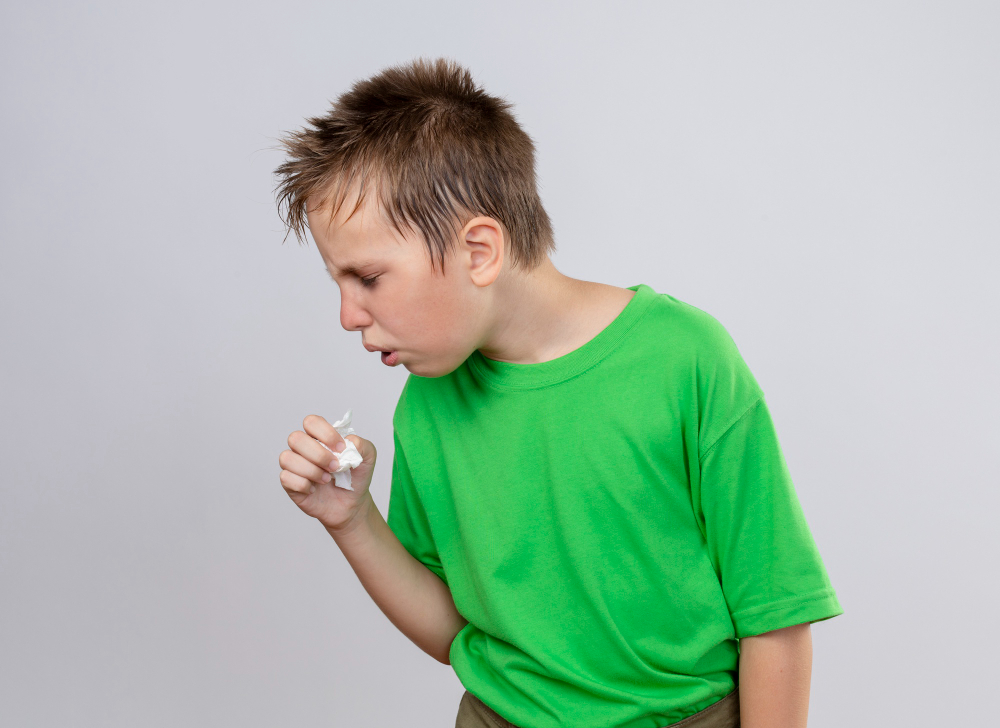
Bronchitis in children is a condition where the airways in the lungs, called bronchi, become swollen and filled with mucus. This swelling makes it hard for your child to breathe easily. Often, bronchitis in children starts after a cold or a viral infection. It is also known as pediatric bronchitis. Many children get bronchitis at least once, especially during colder months. Understanding childhood bronchitis symptoms and causes can help parents care for their kids better.
Common Symptoms of Bronchitis in Children
Children with bronchitis often show signs that are easy to spot. However, these symptoms can look like other illnesses. Watch for these common signs:
- Persistent cough, often with mucus
- Wheezing or noisy breathing
- Shortness of breath
- Chest discomfort or tightness
- Low-grade fever
- Fatigue or tiredness
- Sore throat
- Runny or stuffy nose
Sometimes, children may also feel achy or lose their appetite. If symptoms last more than a week, it could be bronchitis.
Causes and Risk Factors
Most cases of bronchitis in children are caused by viruses, like those that cause the common cold or flu. Less often, bacteria can be the cause. There are several risk factors that make some children more likely to get bronchitis:
- Exposure to tobacco smoke
- Being around people who are sick
- Weakened immune system
- Allergies or asthma
- Attending daycare or school
Because young children have smaller airways, they can get bronchitis more easily. Also, cold weather can increase the risk.
How Bronchitis is Diagnosed in Children
Doctors diagnose bronchitis in children by asking about symptoms and doing a physical exam. Usually, they listen to your child’s chest with a stethoscope. Sometimes, they may order a chest X-ray or a test for viruses if needed. Most of the time, no special tests are required. However, if your child has trouble breathing or a high fever, more tests may be needed to rule out other problems.
Treatment Options for Pediatric Bronchitis
Most cases of bronchitis in children get better on their own. Because viruses cause most cases, antibiotics are usually not needed. Here are some ways to help your child feel better:
- Make sure your child gets plenty of rest
- Give lots of fluids to prevent dehydration
- Use a humidifier to keep air moist
- Give acetaminophen or ibuprofen for fever or pain (as advised by your doctor)
- Keep your child away from smoke and strong odors
Sometimes, if your child has asthma or wheezing, the doctor may prescribe an inhaler. Always follow your pediatrician’s advice for bronchitis treatment for kids.
Prevention Tips for Parents
There are steps you can take to lower your child’s risk of getting bronchitis. For example, you can:
- Encourage frequent handwashing
- Keep your child away from sick people
- Avoid exposing your child to tobacco smoke
- Make sure your child gets recommended vaccines, like the flu shot
- Clean toys and surfaces often
By following these tips, you can help prevent childhood bronchitis and keep your child healthy.
When to See a Doctor
Sometimes, bronchitis in children can become serious. You should call your doctor if your child:
- Has trouble breathing or is breathing very fast
- Has a high fever that does not go away
- Looks very tired or weak
- Has blue lips or face
- Is not drinking enough fluids
Early care can help prevent problems. If you are worried, it is always best to check with your doctor.
If your child shows symptoms of bronchitis, consult a pediatrician at Shreeji Clinic for Children for personalized advice.
