
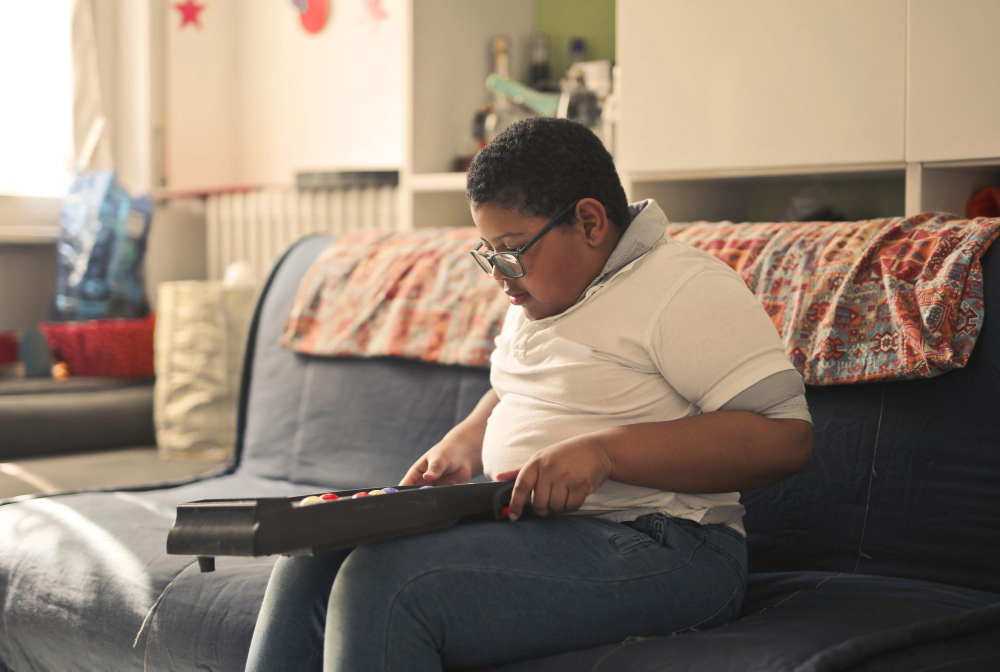
Childhood obesity means a child has too much body fat for their age and height. This condition is called childhood obesity when a child’s weight is much higher than what is healthy. Today, childhood obesity is a growing concern worldwide. It can lead to health problems both now and later in life. Because of this, understanding childhood obesity is important for every parent and caregiver.
What is Childhood Obesity?
Childhood obesity happens when a child’s body stores extra fat. This extra fat can affect their health. Doctors use a tool called Body Mass Index (BMI) to check if a child is overweight or obese. If a child’s BMI is higher than most children of the same age and sex, they may be considered obese. According to the Centers for Disease Control and Prevention (CDC), childhood obesity has more than tripled in the last 40 years. This makes it a serious health issue for families everywhere.
Common Symptoms and Signs
Often, childhood obesity does not cause clear symptoms at first. However, there are some signs parents can watch for. For example, children with obesity may:
- Gain weight quickly or weigh more than other children their age
- Have clothes that become tight sooner than expected
- Feel tired or out of breath during play
- Develop stretch marks on their skin
- Complain of joint or back pain
- Show low self-esteem or sadness
Because these signs can be subtle, regular check-ups are important.
Main Causes and Risk Factors
Many things can lead to childhood obesity. Some causes are related to lifestyle, while others are linked to family history. For instance, common risk factors include:
- Poor eating habits, such as eating lots of fast food or sugary drinks
- Lack of physical activity, like spending too much time watching TV or playing video games
- Family history of obesity or weight problems
- Medical conditions or certain medicines
- Emotional factors, such as stress or boredom
Because many factors play a role, it is important to look at the whole picture.
How is Childhood Obesity Diagnosed?
Doctors use BMI to diagnose childhood obesity. First, they measure the child’s height and weight. Next, they compare these numbers to growth charts for children of the same age and sex. If the BMI is at or above the 95th percentile, the child is considered obese. Sometimes, doctors may order blood tests to check for health problems linked to obesity, such as high cholesterol or diabetes. Early diagnosis helps prevent future health issues.
Treatment Options and Management
Treating childhood obesity often involves the whole family. The main goal is to help the child reach a healthy weight. Treatment options may include:
- Making healthy changes to eating habits
- Increasing daily physical activity
- Setting realistic goals for weight and health
- Working with a doctor, dietitian, or counselor
- In rare cases, using medicine or surgery (only if advised by a doctor)
Because every child is different, treatment plans should be personalized.
Prevention Tips for Parents and Caregivers
Preventing childhood obesity is often easier than treating it. Parents and caregivers can help by:
- Offering a variety of fruits and vegetables at meals
- Limiting sugary drinks and snacks
- Encouraging at least one hour of active play each day
- Setting regular meal and snack times
- Limiting screen time to less than two hours a day
With small changes, families can build healthy habits together.
Lifestyle and Dietary Guidance
Healthy lifestyle choices are key to managing childhood obesity. For example, families can:
- Eat meals together as often as possible
- Choose whole grains, lean proteins, and low-fat dairy
- Drink water instead of sugary drinks
- Plan fun activities like walking, biking, or dancing
- Encourage children to help with meal planning and cooking
Because children learn by example, parents should model healthy behaviors too.
In summary, childhood obesity is a serious but manageable condition. If you are concerned about your child’s weight, consult a pediatrician at Shreeji Clinic for Children for personalized advice.
