

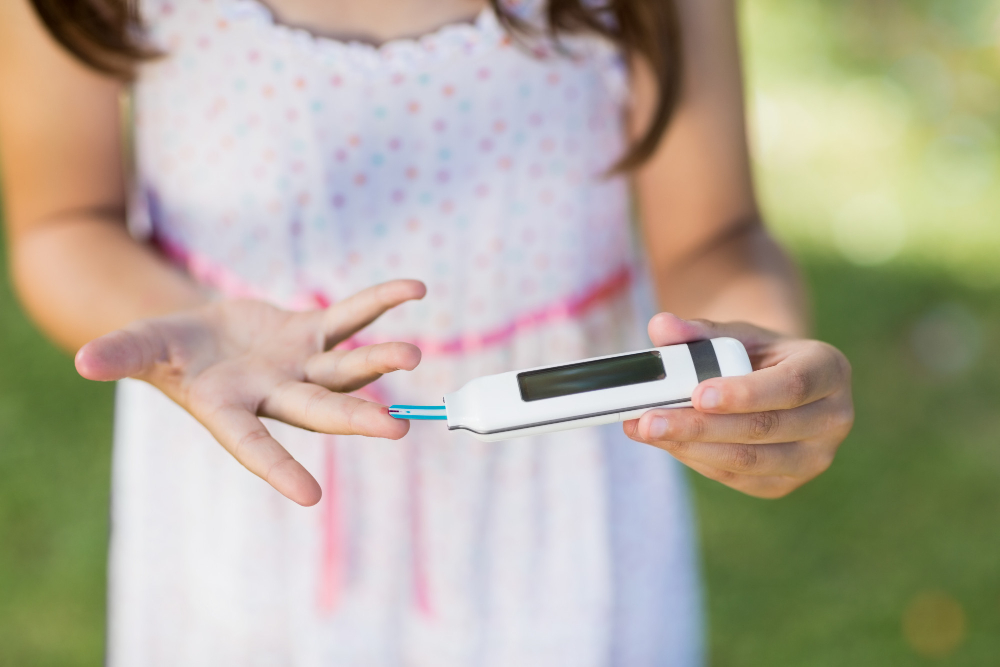
What is Type 1 Diabetes in Children?
Type 1 diabetes in children is a lifelong condition. It happens when the body cannot make insulin. Insulin is a hormone that helps sugar enter the cells for energy. Without insulin, sugar builds up in the blood. This can cause serious health problems. Childhood type 1 diabetes often starts suddenly. However, with the right care, children can live healthy lives. Managing diabetes in kids needs daily attention. Parents and caregivers play a big role in this process.
Common Symptoms of Type 1 Diabetes
Early signs of diabetes in children can be easy to miss. Still, knowing the symptoms helps with early detection. Watch for these common signs:
- Increased thirst and frequent urination
- Unexplained weight loss
- Extreme hunger, even after eating
- Fatigue or feeling very tired
- Blurred vision
- Fruity-smelling breath
- Slow-healing sores or frequent infections
If you notice these symptoms, act quickly. Early treatment can prevent complications.
Causes and Risk Factors
Type 1 diabetes is not caused by eating too much sugar. Instead, it happens when the immune system attacks insulin-making cells in the pancreas. Experts do not know the exact cause. However, some risk factors include:
- Family history of type 1 diabetes
- Certain genes linked to the disease
- Viral infections that may trigger the immune system
Even so, many children with type 1 diabetes have no family history. The condition is not contagious.
How Type 1 Diabetes is Diagnosed
Doctors use several tests to diagnose pediatric diabetes care needs. First, they check blood sugar levels. If the levels are high, more tests follow. These may include:
- Fasting blood sugar test
- Random blood sugar test
- Hemoglobin A1C test (shows average blood sugar over three months)
- Urine tests for ketones
After diagnosis, the doctor will explain the next steps. Early diagnosis helps prevent serious health issues.
Treatment and Management Options
Managing diabetes in kids involves daily care. Children with type 1 diabetes need insulin every day. They may get insulin through shots or a pump. In addition, regular blood sugar checks are important. Treatment plans often include:
- Daily insulin therapy
- Frequent blood sugar monitoring
- Healthy eating plans
- Regular physical activity
- Education for the child and family
With the right support, most children can join in normal activities. However, they need to watch for low or high blood sugar.
Lifestyle Tips for Children with Type 1 Diabetes
Living with type 1 diabetes means making healthy choices every day. Here are some helpful tips:
- Eat balanced meals at regular times
- Include fruits, vegetables, and whole grains
- Limit sugary snacks and drinks
- Stay active with fun exercises
- Always carry a quick sugar snack for low blood sugar
- Keep a diabetes care kit nearby
- Teach your child to recognize symptoms of low or high blood sugar
With support, children can manage their condition and enjoy life.
Prevention and Early Detection
Currently, there is no way to prevent type 1 diabetes. However, early detection can help avoid serious problems. Parents should watch for signs of diabetes in children. If you notice symptoms, seek medical help right away. Regular check-ups can also help catch problems early.
When to Consult a Pediatrician
If your child shows any symptoms of type 1 diabetes, contact a pediatrician quickly. Early care is key to maintaining good health. You should also talk to your doctor if your child has a family history of diabetes. Pediatric diabetes care teams can guide you on the best steps and help you create a plan for managing diabetes in children.
For personalized guidance on managing type 1 diabetes in children, consult Dr. Aniruddha Chatterjee, a pediatric specialist.
