

Introduction
Cervical cancer is a serious health issue for women worldwide. However, many cases can be prevented. The HPV vaccine plays a key role in cervical cancer prevention. This vaccine protects against the human papillomavirus (HPV), which causes most cervical cancer cases. Because of this, raising cervical cancer awareness is vital. In this blog, you will learn why the HPV vaccine is important for protecting children from cervical cancer.
What Is Cervical Cancer?
Cervical cancer starts in the cells of the cervix. The cervix is the lower part of the uterus. It connects the uterus to the vagina. Most cervical cancer grows slowly. Early on, it may not cause symptoms. But over time, it can become life-threatening if not treated. Regular screening and vaccines can help prevent it. According to the World Health Organization (WHO), cervical cancer is the fourth most common cancer in women worldwide.
How HPV Causes Cervical Cancer
HPV stands for human papillomavirus. It is a common virus that spreads through skin-to-skin contact. In fact, most people will get HPV at some point in their lives. However, some types of HPV can cause changes in the cervix. Over time, these changes may lead to cervical cancer. Not all HPV types are harmful, but types 16 and 18 cause about 70% of cervical cancer cases. Because HPV often has no symptoms, many people do not know they have it.
What Is the HPV Vaccine?
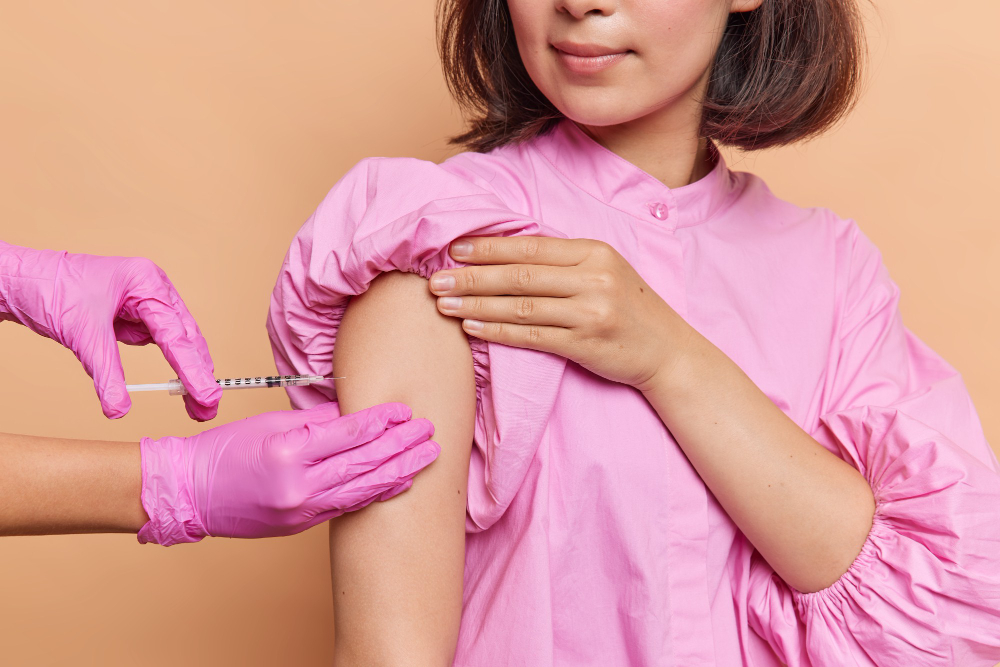
The HPV vaccine is a safe and effective way to prevent HPV infection. It works by helping the body build protection against the virus. The vaccine is given as a series of shots. Usually, children and teens get two or three doses, depending on their age. The Centers for Disease Control and Prevention (CDC) recommends the HPV vaccine for boys and girls starting at age 11 or 12. However, it can be given as early as age 9 and up to age 26. The vaccine protects against the most harmful types of HPV.
Why Is the HPV Vaccine Important for Children and Teens?
Getting the HPV vaccine early is very important. First, the vaccine works best before any exposure to HPV. Since HPV spreads through close contact, vaccinating children before they become sexually active offers the best protection. Also, the immune response is stronger in younger children. This means the vaccine is more effective when given at a younger age. By vaccinating kids, parents can help protect them from cervical cancer and other HPV-related diseases later in life.
Benefits and Safety of the HPV Vaccine
The HPV vaccine offers many benefits, including:
- Reduces the risk of cervical cancer by up to 90%
- Prevents other cancers caused by HPV, such as throat and anal cancers
- Protects both boys and girls
- Helps stop the spread of HPV in the community
Moreover, the HPV vaccine is very safe. Millions of doses have been given worldwide. Side effects are usually mild, such as pain or redness at the injection site. Serious side effects are very rare. Health experts, including the CDC and WHO, recommend the HPV vaccine for children and teens.
Common Myths and Facts About the HPV Vaccine
- Myth: The HPV vaccine is only for girls.
- Fact: The vaccine is for both boys and girls.
- Myth: The vaccine causes serious side effects.
- Fact: Most side effects are mild and go away quickly.
- Myth: My child is too young for the vaccine.
- Fact: The vaccine works best when given at ages 11 or 12.
- Myth: The HPV vaccine encourages early sexual activity.
- Fact: Studies show the vaccine does not affect sexual behavior.
How to Get the HPV Vaccine: Steps for Parents
Getting the HPV vaccine for your child is simple. Here are the steps:
- Talk to your child’s doctor or pediatrician about the HPV vaccine.
- Schedule the first dose at the recommended age (11 or 12 years).
- Follow up for the second and, if needed, third dose as advised.
- Keep a record of your child’s vaccination schedule.
- Ask your doctor about any questions or concerns you may have.
Prevention and Lifestyle Tips
Besides the HPV vaccine, there are other ways to lower the risk of cervical cancer:
- Encourage regular cervical screening (Pap tests) for women starting at age 21
- Teach children about safe and healthy habits
- Promote a healthy diet and regular exercise
- Discourage smoking, as it increases cancer risk
- Stay informed about new health guidelines
However, the HPV vaccine remains the most effective way to prevent cervical cancer in young people.
Conclusion
Cervical cancer is preventable, and the HPV vaccine is a powerful tool for protection. Because early vaccination works best, talk to your pediatrician at Shreeji Clinic for Children about the HPV vaccine for your child. Take action now to help keep your family safe and healthy.
