
Introduction
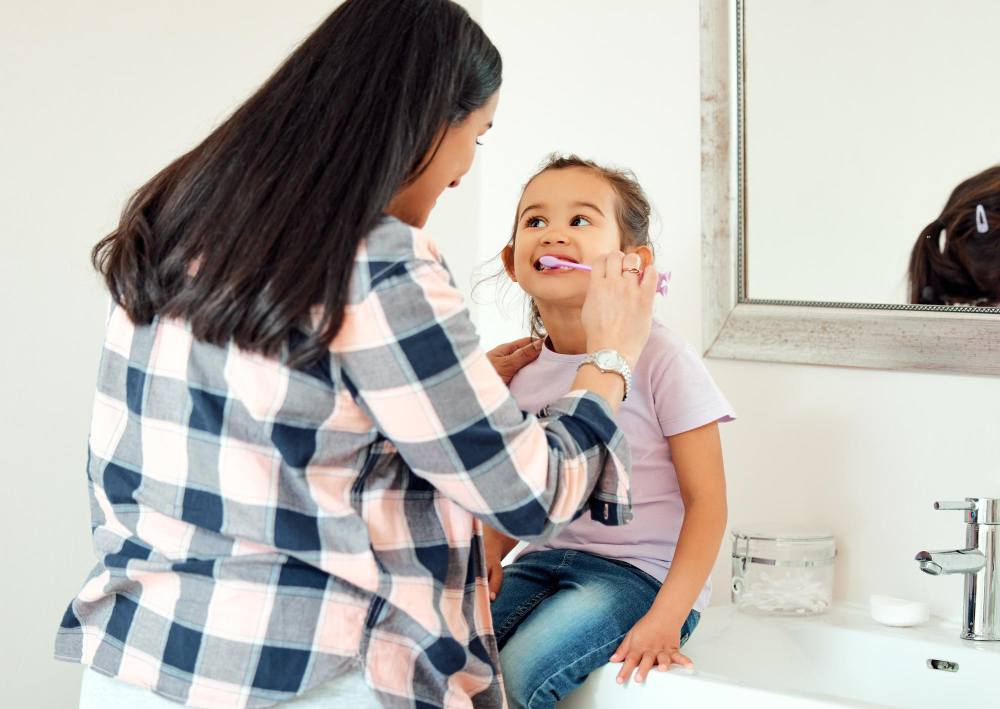
Teaching your child good hygiene habits is one of the best ways to keep them healthy. Early lessons in children’s hygiene routines help prevent illness and build lifelong healthy habits for kids. In fact, pediatric hygiene tips can make daily routines easier for both parents and children. For example, simple steps like handwashing for kids, oral care for children, and bath time routines can protect your child from many common illnesses. Because children learn best from example, starting early is key.
Why Good Hygiene Matters for Children
Good hygiene keeps children safe from germs and sickness. When kids wash their hands and brush their teeth, they lower their risk of getting sick. Additionally, clean habits help children feel confident and comfortable around others. According to the CDC, regular hygiene can prevent many common childhood illnesses. For families in any city or region, these habits are important every day. Not only do they protect your child, but they also help keep your whole family healthy.
Common Hygiene Habits Every Child Should Learn
Children need to learn several basic hygiene habits. Each one plays a role in keeping them healthy. For instance, these habits include:
- Washing hands before eating and after using the bathroom
- Brushing teeth twice a day
- Bathing or showering regularly
- Keeping nails trimmed and clean
- Covering mouth and nose when sneezing or coughing
- Wearing clean clothes every day
Because these habits are simple, children can learn them with practice and support.
Step-by-Step Guide to Teaching Hygiene
Teaching hygiene does not have to be hard. Try these steps to help your child build strong routines:
- Start early and explain why hygiene is important.
- Show your child how to wash hands with soap and water for 20 seconds.
- Brush teeth together and use a timer to make it fun.
- Teach your child to bathe or shower with gentle soap.
- Trim nails weekly and explain why short nails stay cleaner.
- Remind your child to cover their mouth when sneezing or coughing.
- Check that your child wears clean clothes each day.
- Give praise and rewards for good hygiene habits.
Because children watch adults, always model good hygiene yourself.
Overcoming Challenges in Hygiene Education
Sometimes, children resist new routines. However, patience and creativity can help. If your child forgets to wash hands, use gentle reminders. For kids who dislike brushing teeth, try flavored toothpaste or fun toothbrushes. Additionally, make hygiene part of your daily schedule. When children see hygiene as a normal part of life, they are more likely to follow through. If you face ongoing struggles, talk with your pediatrician for more advice.
Tips for Making Hygiene Fun and Engaging
Children learn best when they enjoy the process. Therefore, try these tips to make hygiene fun:
- Sing songs during handwashing or brushing teeth
- Use colorful soaps and towels
- Let your child pick their own toothbrush or bath toy
- Set up a sticker chart for completed routines
- Read books or watch videos about hygiene together
Because fun activities keep children interested, they are more likely to build strong habits.
Preventing Common Childhood Illnesses Through Hygiene
Good hygiene is a powerful way to prevent sickness. For example, regular handwashing for kids can stop the spread of colds and stomach bugs. Oral care for children helps prevent tooth decay and gum problems. Bath time routines and nail hygiene keep skin healthy and free from infection. According to the WHO, these simple steps can lower your child’s risk of illness. In every city or region, strong hygiene habits protect both children and families.
When to Seek Pediatric Advice
Most children learn hygiene with time and support. However, sometimes you may notice ongoing problems. If your child often gets sick, has skin rashes, or avoids hygiene routines, it is wise to talk with your pediatrician. Additionally, if you have questions about safe products or special needs, your doctor can help. Because every child is different, personalized advice is always best.
Conclusion
Teaching your child good hygiene habits is a gift that lasts a lifetime. With patience, practice, and fun, you can help your child stay healthy and confident. For more support, consult your pediatrician at Shreeji Clinic for Children for personalized hygiene guidance for your child.
