

Introduction
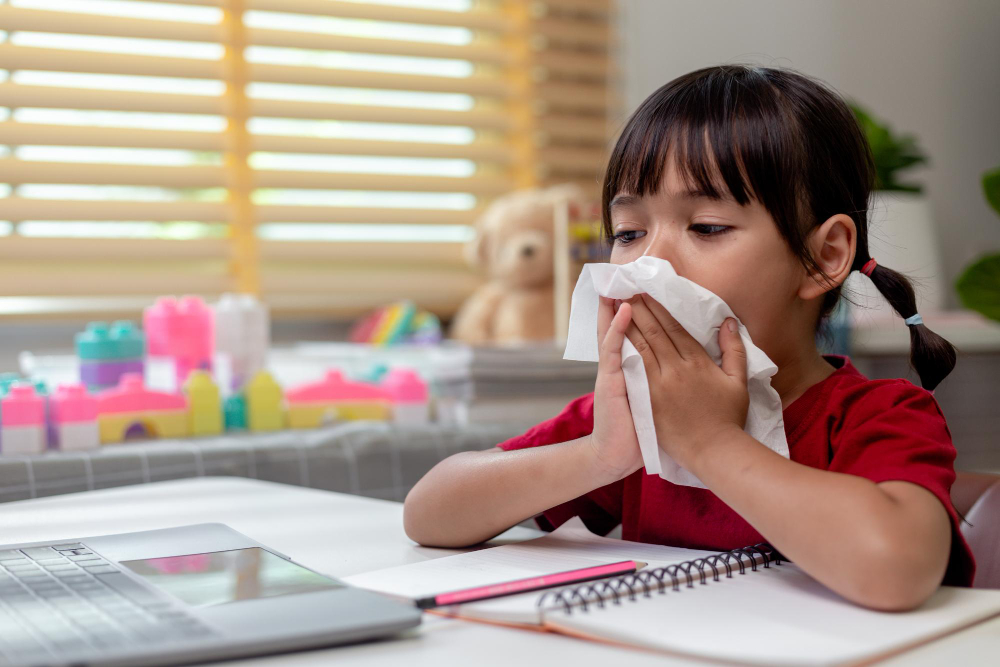
Many parents wonder how to manage sneezing, itchy eyes, and coughing in kids. These symptoms are common in children, especially during allergy seasons or when colds spread. Because kids have developing immune systems, they often react more strongly to germs and allergens. However, proper management is important. It helps your child feel better and prevents symptoms from getting worse. In this guide, you will learn about causes, symptoms, home care, and when to seek medical help.
Common Causes in Children
Children can develop sneezing, itchy eyes, and coughing for several reasons. Understanding these causes helps you choose the right care. For example, allergies are a leading cause. But infections and environmental factors also play a role. Here are some common reasons:
- Allergies: Pollen, dust mites, pet dander, and mold often trigger symptoms.
- Viral Infections: Colds and flu can cause sneezing and coughing.
- Environmental Triggers: Smoke, strong odors, or air pollution may irritate a child’s nose and eyes.
- Weather Changes: Sudden shifts in temperature or humidity can also lead to symptoms.
Recognizing Symptoms
It is important to notice the signs early. This helps you act quickly and provide comfort. Below are common symptoms to watch for:
- Sneezing: Frequent or sudden sneezing, often in bursts.
- Itchy Eyes: Rubbing eyes, redness, or watery eyes.
- Coughing: Dry or wet cough, especially at night or after playing.
- Other Signs: Runny nose, mild fever, or tiredness may also appear.
Sometimes, these symptoms come together. But they can also appear alone.
Diagnosis
Most mild cases can be managed at home. However, you should know when to seek medical advice. If symptoms last more than a week, or if your child has trouble breathing, call your doctor. During a visit, the doctor may:
- Ask about your child’s symptoms and medical history
- Check the nose, throat, ears, and eyes
- Listen to the lungs for signs of infection or asthma
- Order allergy tests if needed
Early diagnosis helps prevent complications and guides the best treatment.
Effective Home Management
Many parents want to know how to manage sneezing, itchy eyes, and coughing in kids at home. There are several safe steps you can try. For mild symptoms, these tips may help:
- Keep your child’s room clean and dust-free
- Use a cool-mist humidifier to ease coughing and dry air
- Encourage your child to wash hands often
- Keep windows closed during high pollen seasons
- Offer plenty of fluids like water or warm soup
- Use saline nasal drops for stuffy noses
- Apply a cold, damp cloth to itchy eyes
- Limit exposure to smoke, pets, or strong scents
However, avoid giving over-the-counter cough or cold medicines to young children unless your doctor says it is safe. The CDC recommends using simple remedies and comfort measures first.
Medical Treatments
Sometimes, home care is not enough. In these cases, doctors may suggest medical treatments. For example, if allergies are the cause, your child may need:
- Antihistamines to reduce sneezing and itchy eyes
- Nasal sprays to ease congestion
- Eye drops for severe itching
- Inhalers if asthma is present
For infections, your doctor may recommend fever reducers or, rarely, antibiotics if a bacterial infection is found. Always follow your pediatrician’s advice and never use adult medicines for children.
Prevention Tips
Preventing sneezing, itchy eyes, and coughing in kids is possible with a few simple steps. Here are some tips:
- Wash hands often, especially after playing outside
- Keep pets out of bedrooms if allergies are present
- Change clothes after outdoor play during pollen season
- Use air purifiers to reduce indoor allergens
- Encourage a healthy diet and enough sleep
- Stay updated on local pollen counts and plan activities accordingly
With these habits, you can lower the risk of symptoms returning.
When to See a Pediatrician
Most cases are mild, but some warning signs mean you should call your doctor right away. Watch for:
- High fever (over 102°F or 39°C)
- Shortness of breath or wheezing
- Blue lips or face
- Severe or lasting cough
- Symptoms that do not improve after a week
- Signs of dehydration, like dry mouth or no tears when crying
If you notice any of these, seek medical care quickly. Early help can prevent serious problems.
Conclusion
Managing sneezing, itchy eyes, and coughing in kids can be simple with the right steps. For most children, home care and prevention work well. However, always watch for warning signs. Consult Shreeji Clinic for Children for personalized advice on managing sneezing, itchy eyes, and coughing in your child.
