

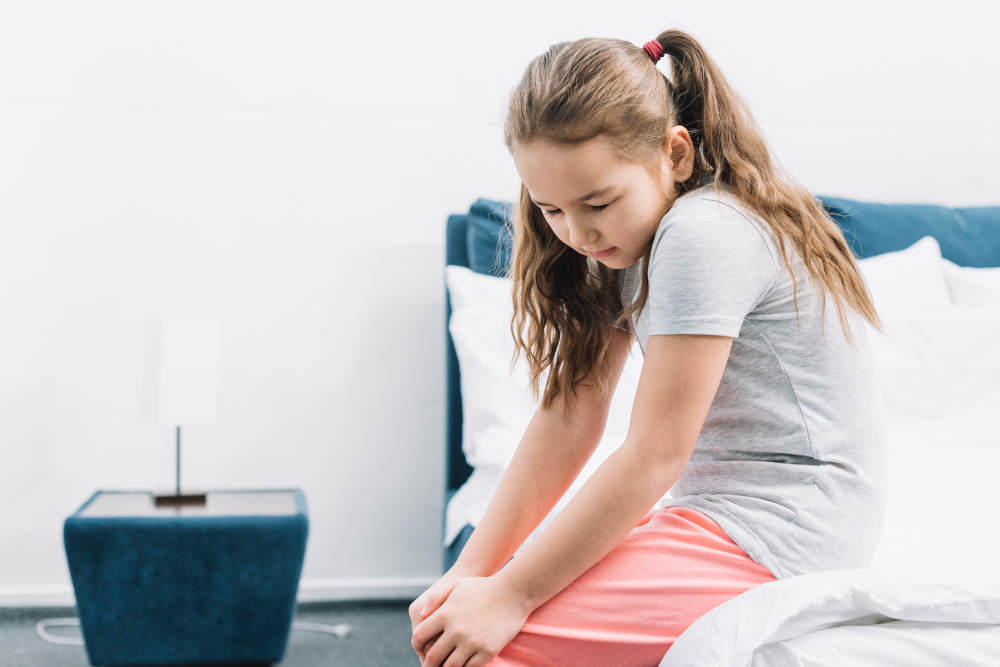
Introduction to Joint Pain in Winter
Many people notice joint pain in winter, especially when temperatures drop. Cold weather can make joints feel stiff and sore. For some, this pain is mild. However, others may find it hard to move or do daily tasks. In fact, winter joint pain relief is a common concern for people of all ages. Understanding the causes of joint pain in cold weather can help you manage symptoms and stay comfortable.
Common Symptoms
Joint pain in winter can show up in different ways. Sometimes, the pain is mild and goes away quickly. Other times, it can last longer and affect your daily life. Here are some common symptoms:
- Stiffness, especially in the morning or after resting
- Aching or throbbing pain in one or more joints
- Swelling or tenderness around the joint
- Difficulty moving the joint fully
- Increased pain during cold or damp weather
For children, joint pain may cause them to avoid play or complain about aches. Adults may notice more pain after being outside or sitting for a long time. If symptoms last or get worse, it is important to seek help.
Causes and Risk Factors
There are several reasons why joint pain in winter is common. Cold weather can make muscles and tissues around the joints tighten. This can lead to stiffness and discomfort. In addition, changes in air pressure may affect joint fluid, making pain worse. Some people are more at risk, including:
- Older adults
- People with arthritis or past joint injuries
- Those living in cold or damp climates
- Anyone with low physical activity in winter
According to the CDC, arthritis is a leading cause of joint pain, and symptoms can worsen in cold weather. Staying active and warm can help lower your risk.
Diagnosis and When to Seek Help
Doctors can diagnose joint pain in winter by asking about your symptoms and doing a physical exam. Sometimes, they may order X-rays or blood tests to rule out other problems. If you notice any of the following, you should see a doctor:
- Severe or sudden joint pain
- Swelling that does not go away
- Redness or warmth around the joint
- Fever or feeling very unwell
- Joint pain in children that lasts more than a few days
Early diagnosis can help prevent further joint damage and improve your quality of life.
Treatment Options (Medical and Home Remedies)
There are many ways to find winter joint pain relief. Doctors may suggest:
- Pain relievers like acetaminophen or ibuprofen
- Physical therapy to improve joint movement
- Warm compresses or heating pads for sore joints
- Topical creams to reduce pain and swelling
At home, you can try:
- Gentle stretching and exercise
- Wearing warm clothing and gloves
- Taking warm baths or showers
- Staying active to keep joints flexible
However, always talk to your doctor before starting new treatments, especially for children or if you have other health problems.
Lifestyle Tips for Prevention and Relief
There are simple steps you can take to prevent and ease joint pain in winter. For example:
- Dress in layers to keep joints warm
- Stay active with low-impact exercises like walking or swimming
- Eat a balanced diet rich in fruits, vegetables, and healthy fats
- Maintain a healthy weight to reduce stress on joints
- Use supportive shoes and avoid standing for long periods
Additionally, staying hydrated and getting enough rest can help your body recover faster. If you live in a cold climate, try to limit time outdoors during very cold days.
When to Consult a Pediatrician or Doctor
Sometimes, joint pain in winter can be a sign of a more serious problem. You should consult a doctor if:
- Pain is severe or does not improve with home care
- There is swelling, redness, or warmth in the joint
- Your child has joint pain that lasts more than a few days
- You have trouble walking or using the joint
Early medical advice can help prevent complications and ensure the right treatment.
If you or your child experience persistent joint pain in winter, consult a healthcare professional at Shreeji Clinic for Children for personalized advice.
