

Introduction
Regular physical activity for kids is important for healthy growth and development. When children move and play every day, they build strong bodies and minds. In fact, the benefits of regular physical activity for kids go far beyond just fitness. It helps with learning, mood, and even sleep. Parents often ask how much exercise their child needs and how to make it fun. This guide explains the many ways physical activity supports children’s health and offers tips for families.
What Is Regular Physical Activity for Kids?
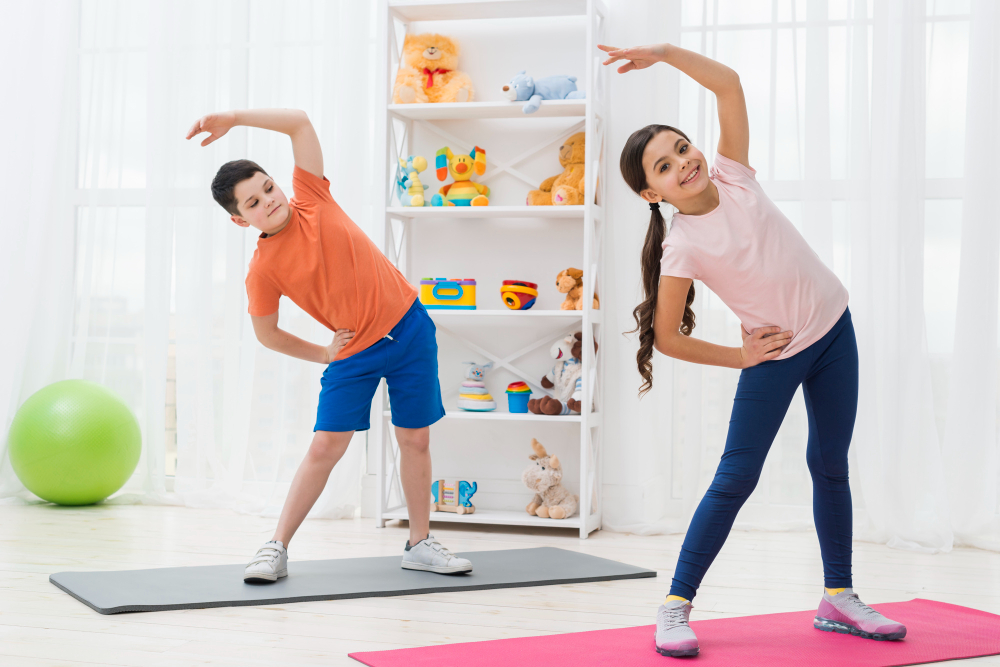
Physical activity means any movement that gets kids’ bodies moving and hearts pumping. For example, running, jumping, swimming, and playing sports all count. Even simple activities like walking the dog or dancing at home are helpful. Regular activity means doing these movements most days of the week. According to the CDC, children should be active for at least 60 minutes each day. This can include play, sports, or even chores that make them move.
Top Benefits of Physical Activity in Children
There are many benefits of regular physical activity for kids. Some of the top reasons include:
- Stronger muscles and bones: Activities like jumping and running help build strength.
- Healthy weight: Exercise helps prevent childhood obesity and keeps kids fit.
- Better heart health: Moving often keeps the heart and lungs healthy.
- Improved mood: Physical activity can reduce stress and boost happiness.
- Sharper focus: Kids who are active often do better in school.
- Social skills: Playing with others teaches teamwork and sharing.
- Better sleep: Active kids usually fall asleep faster and sleep more soundly.
Moreover, regular movement lowers the risk of health problems later in life. The World Health Organization (WHO) recommends daily activity for all children to support their overall well-being.
How Much Physical Activity Do Kids Need?
Children ages 6 to 17 should get at least 60 minutes of moderate to vigorous activity each day. This can be broken into shorter sessions. For example, three 20-minute playtimes work just as well. Activities should include:
- Aerobic exercise: Running, biking, or swimming most days.
- Muscle-strengthening: Climbing, push-ups, or gymnastics at least three times a week.
- Bone-strengthening: Jumping rope or playing basketball several times a week.
Even so, any movement is better than none. Encourage your child to find activities they enjoy. This makes it easier to stick with healthy habits.
Tips to Encourage Kids to Be Active
Sometimes, kids need a little push to get moving. Here are some easy ways to help your child stay active:
- Set a good example by being active yourself.
- Make activity part of your family routine, like evening walks.
- Offer a variety of fun options, such as sports, dance, or outdoor games.
- Limit screen time to encourage more movement.
- Praise your child for trying new activities.
- Invite friends or neighbors to join in for group play.
Additionally, let your child choose activities they like. This builds confidence and keeps them interested.
Safety Tips for Children’s Physical Activity
While being active is great, safety comes first. To keep your child safe during exercise:
- Make sure they wear the right shoes and gear.
- Choose safe places to play, like parks or playgrounds.
- Teach them to warm up before and cool down after activity.
- Remind them to drink water, especially in hot weather.
- Supervise young children during play.
Furthermore, talk to your child about listening to their body. If they feel pain or discomfort, they should stop and rest.
Preventing Health Issues Through Activity
Regular physical activity helps prevent many health problems in children. For instance, it lowers the risk of type 2 diabetes, high blood pressure, and heart disease. Active kids are also less likely to develop anxiety or depression. According to the CDC, children who move often have better mental and physical health. Therefore, making exercise a daily habit is one of the best ways to keep your child healthy.
Conclusion
In summary, the benefits of regular physical activity for kids are clear. It supports healthy bodies, sharp minds, and happy moods. Even small steps can make a big difference. If you have questions about your child’s activity needs, consult a pediatrician at Shreeji Clinic for Children for personalized advice.
