
What is Anemia in Children?
Anemia in children happens when their bodies do not have enough healthy red blood cells. These cells carry oxygen to all parts of the body. When children have anemia, they may feel tired, weak, or look pale. According to the World Health Organization (WHO), iron deficiency is the most common cause of anemia in kids. However, other factors like poor diet or certain illnesses can also lead to anemia.
Why Diet Matters for Anemia
Diet for anemia in children is very important. The right foods help the body make more red blood cells. Additionally, a healthy diet can improve energy and help children grow well. For example, eating foods rich in iron and vitamins helps the body fight anemia. On the other hand, a poor diet can make anemia worse or slow recovery.
Key Nutrients for Managing Anemia
Several nutrients play a key role in managing anemia. These include:
- Iron: Needed to make red blood cells.
- Vitamin C: Helps the body absorb iron better.
- Folate (Vitamin B9): Supports red blood cell growth.
- Vitamin B12: Important for healthy blood cells.
For best results, children need a mix of these nutrients every day. Additionally, pairing iron-rich foods with vitamin C foods can boost iron absorption.
Best Foods for Children with Anemia
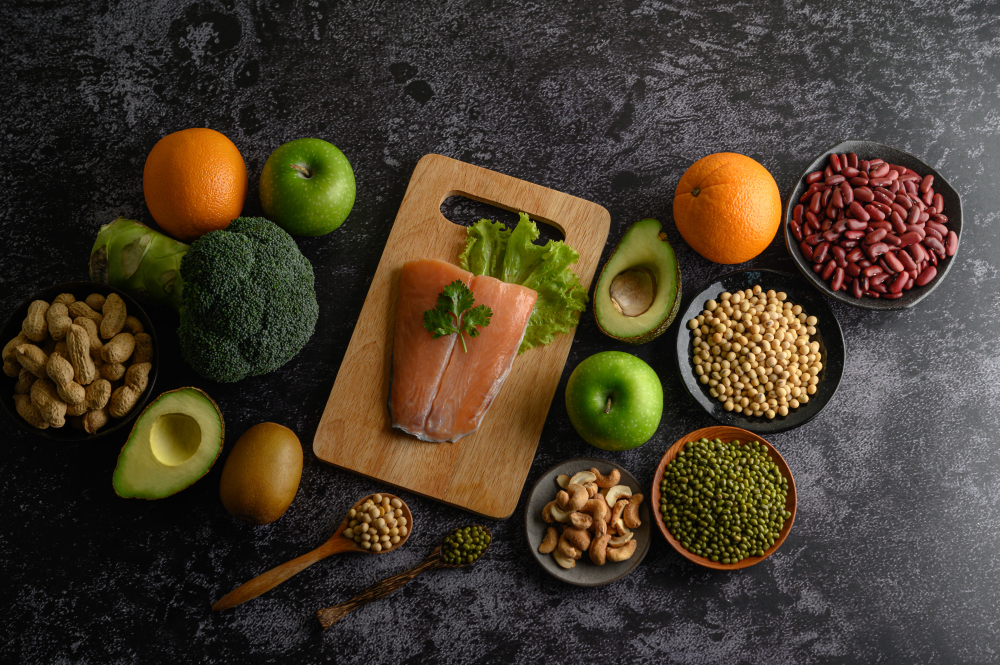
Many foods can help improve anemia in children. Here are some top choices:
- Lean meats (chicken, turkey, beef)
- Eggs
- Beans and lentils
- Dark leafy greens (spinach, kale)
- Fortified cereals and breads
- Tofu and soy products
- Fish (like salmon or tuna)
- Fruits rich in vitamin C (oranges, strawberries, guava)
- Vegetables like broccoli and tomatoes
- Nuts and seeds (pumpkin seeds, sunflower seeds)
For example, adding a glass of orange juice to a meal with beans can help the body use more iron.
Foods to Avoid or Limit
Some foods can make it harder for the body to absorb iron. Therefore, it is best to limit these foods, especially during main meals:
- Tea and coffee (even for older children)
- High-calcium foods (milk, cheese) with iron-rich meals
- Processed foods high in sugar or fat
- Sodas and sugary drinks
Instead, offer water or fresh fruit juice with meals. Additionally, try to keep dairy products separate from iron-rich foods.
Sample Meal Ideas
Here are some healthy meals for anemic children:
- Breakfast: Fortified cereal with sliced strawberries and a boiled egg
- Lunch: Chicken and spinach wrap with orange slices
- Snack: Roasted chickpeas and a small apple
- Dinner: Lentil soup with brown rice and steamed broccoli
For variety, you can also try tofu stir-fry with bell peppers or a bean salad with tomatoes and lemon juice.
Tips for Encouraging Healthy Eating
Getting children to eat well can be a challenge. However, these tips may help:
- Offer small, frequent meals instead of large ones
- Let children help choose or prepare foods
- Make meals colorful and fun
- Pair new foods with familiar favorites
- Be patient and keep offering healthy options
Additionally, praise your child for trying new foods. Over time, healthy habits can grow.
When to Consult a pediatrician
Sometimes, diet alone may not be enough to treat anemia. If your child looks very pale, feels weak, or is not growing well, talk to a pediatrician. Additionally, if your child refuses to eat or has trouble swallowing, seek help. A doctor may suggest blood tests or special supplements. Remember, every child is different, so professional advice is important for the best care.
For more help, consult Dr. Aniruddha Chatterjee, a pediatric specialist, for personalized advice on managing your child’s anemia.
