

Introduction
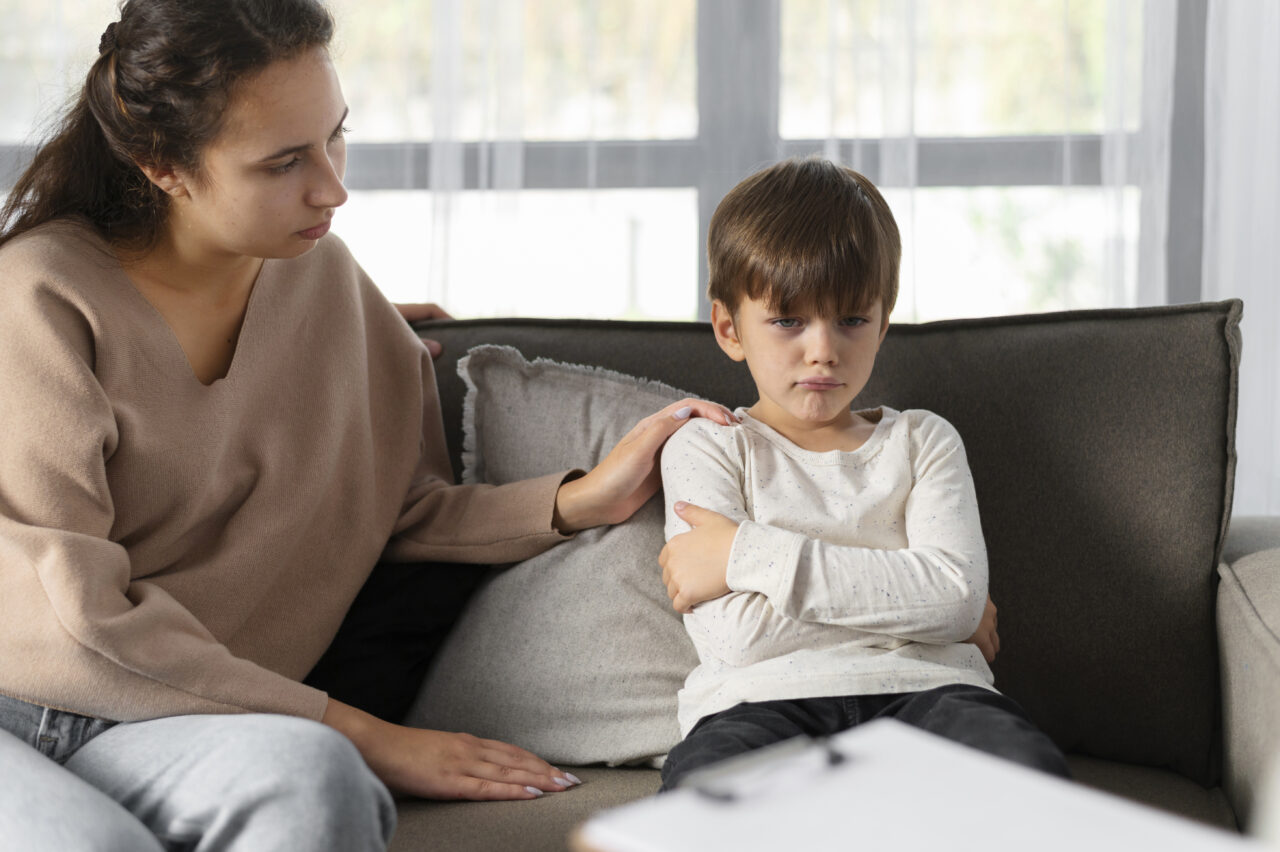
Childhood anxiety is more common than many parents realize. It can affect a child’s mood, schoolwork, and friendships. Because anxiety can impact the whole family, early recognition is important. Dealing with childhood anxiety can feel overwhelming, but parents can make a big difference. With the right support, children can learn to manage their worries and feel more confident.
What is Childhood Anxiety?
Childhood anxiety is a strong feeling of worry or fear that lasts longer than normal. While it is natural for children to feel nervous sometimes, anxiety becomes a problem when it gets in the way of daily life. For example, some children may avoid school or stop doing things they once enjoyed. According to the CDC, about 9% of children in the United States have been diagnosed with anxiety disorders.
Common Symptoms of Childhood Anxiety
It is not always easy to spot anxiety in children. However, there are some signs parents can look for. For instance, children may:
- Complain of stomachaches or headaches with no clear cause
- Have trouble sleeping or frequent nightmares
- Worry a lot about school, friends, or family
- Avoid certain places or activities
- Become clingy or refuse to be alone
- Get upset easily or have frequent meltdowns
Sometimes, children may not talk about their worries. Instead, their behavior changes. Therefore, it is important to notice these signs early.
Causes and Risk Factors
Many things can cause childhood anxiety. Often, it is a mix of factors. For example, a family history of anxiety can increase risk. Stressful life events, such as moving or divorce, may also play a role. In addition, children with certain health problems or learning issues may be more likely to feel anxious. The World Health Organization notes that both genetics and environment matter.
How Parents Can Recognize Anxiety in Children
Recognizing anxiety is the first step to helping your child. Watch for changes in mood, sleep, or appetite. If your child avoids activities they once liked, this could be a sign. Also, listen for frequent worries or fears. Sometimes, children express anxiety through physical complaints, like stomach pain. Because children may not always say they are anxious, parents need to look for patterns over time.
Effective Strategies for Parents to Support Anxious Children
Parents play a key role in helping children manage anxiety. Here are some helpful strategies:
- Stay calm and patient when your child is anxious
- Talk openly about feelings and worries
- Encourage your child to face fears slowly, not avoid them
- Set a regular routine for meals, sleep, and activities
- Teach simple relaxation techniques, like deep breathing
- Model healthy ways to cope with stress
- Praise efforts, not just results
Because every child is different, some strategies may work better than others. If you need extra help, local child anxiety support groups or mental health resources in your area can be valuable.
When to Seek Professional Help
Sometimes, anxiety can become too much for a child to handle alone. If your child’s worries last for weeks or get worse, it may be time to seek help. For example, if anxiety stops your child from going to school or enjoying life, talk to a pediatrician or mental health specialist. Early support can prevent problems from getting bigger. Many cities offer child anxiety support services, so check for resources near you.
Prevention and Building Resilience
Although anxiety cannot always be prevented, parents can help children build resilience. Here are some tips:
- Encourage healthy friendships and social activities
- Teach problem-solving skills
- Help your child set small, realistic goals
- Promote regular exercise and healthy eating
- Limit screen time, especially before bed
With support, children can learn to manage stress and bounce back from challenges. Over time, these skills help reduce anxiety and boost confidence.
Conclusion
Childhood anxiety is common, but parents can help their children feel safe and supported. By recognizing the signs early and using simple strategies, you can make a big difference. If you have concerns, consult Dr. Aniruddha Chatterjee for personalized guidance on managing childhood anxiety.
