

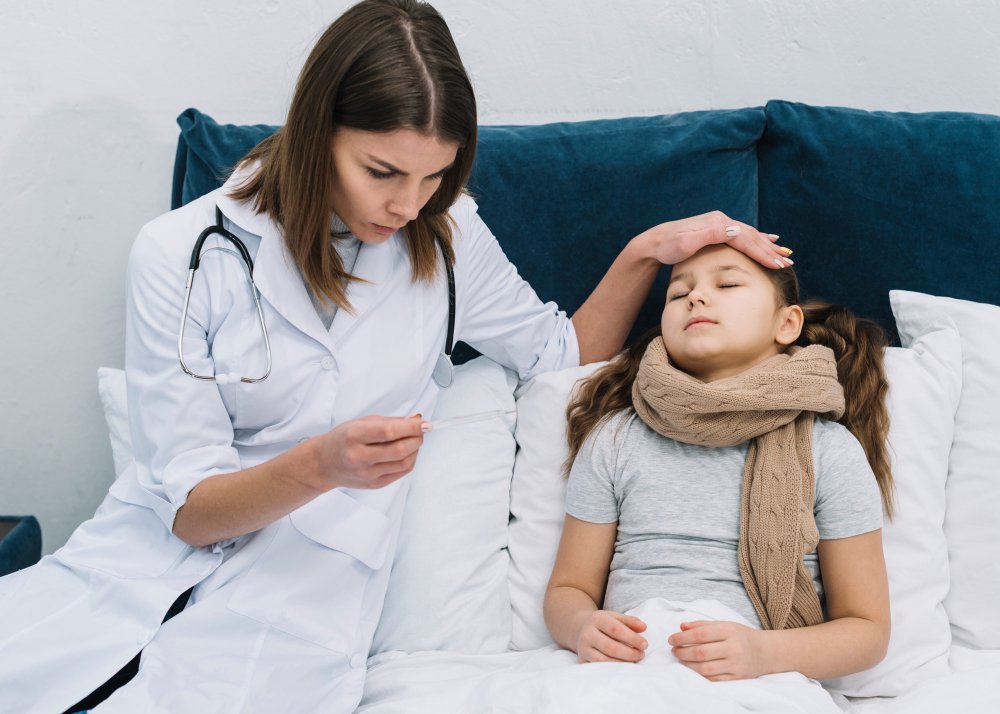
What is Chikungunya?
Chikungunya is a viral illness spread by mosquitoes. It often causes sudden fever and severe joint pain. While adults can get it, chikungunya in children is also common. The disease spreads quickly in warm, humid areas. Outbreaks have happened in Asia, Africa, and the Americas. According to the World Health Organization (WHO), chikungunya is not usually fatal. However, it can make children feel very sick. Because symptoms can look like other illnesses, parents may overlook it. Knowing about pediatric chikungunya helps you protect your family.
Why Children Are at Risk
Children are often outside playing, so they get more mosquito bites. In many places, mosquitoes carrying chikungunya breed in standing water. Kids may not use mosquito repellent or wear protective clothing. As a result, they have a higher risk of infection. Additionally, their immune systems are still developing. This means they may get sicker than adults. During outbreaks, schools and playgrounds can become hotspots for the virus. Therefore, parents should stay alert, especially during rainy seasons.
Common Symptoms in Children
Chikungunya symptoms in children can be mild or severe. Sometimes, parents mistake them for the flu or dengue. However, certain signs are more common in pediatric chikungunya. Watch for these symptoms:
- High fever (often above 102°F or 39°C)
- Severe joint pain, especially in hands and feet
- Muscle pain
- Headache
- Rash on the body
- Swelling of joints
- Fatigue or tiredness
- Nausea or vomiting
Sometimes, joint pain in kids lasts for weeks. If your child has these symptoms, seek medical advice.
How Chikungunya is Diagnosed
Doctors diagnose chikungunya by looking at symptoms and recent travel history. They may ask if your child was in an area with a recent outbreak. Blood tests confirm the diagnosis. These tests check for the virus or antibodies in the blood. Sometimes, doctors test for other illnesses like dengue or malaria. This is because symptoms can be similar. Early diagnosis helps start the right treatment quickly.
Treatment Options for Kids
There is no specific cure for chikungunya. However, treatment focuses on relieving symptoms. Doctors may recommend:
- Plenty of fluids to prevent dehydration
- Rest to help the body recover
- Pain relievers like acetaminophen (paracetamol) for fever and joint pain
- Avoiding aspirin or ibuprofen unless a doctor says it is safe
Most children recover within a week. However, joint pain in kids can last longer. Always follow your doctor’s advice for medicines and care.
Home Care and Recovery Tips
At home, you can help your child feel better. Here are some tips:
- Encourage your child to rest as much as possible
- Offer small, frequent meals if they feel sick
- Use cool compresses to lower fever
- Keep your child’s room cool and comfortable
- Monitor for signs of dehydration, such as dry mouth or less urination
Even after the fever goes away, joint pain may remain. Gentle stretching and warm baths can help. If pain continues, talk to your doctor.
Prevention Strategies for Families
Preventing mosquito bites is the best way to avoid chikungunya in children. You can protect your family by:
- Using mosquito repellent on exposed skin
- Dressing children in long sleeves and pants
- Sleeping under mosquito nets, especially at night
- Keeping windows and doors closed or using screens
- Removing standing water from around your home
- Changing water in flower pots and birdbaths often
During outbreaks, avoid outdoor activities at dawn and dusk. Mosquitoes are most active at these times.
When to See a Doctor
Sometimes, chikungunya can cause complications in children. You should see a doctor if your child:
- Has a high fever that does not go down
- Shows signs of dehydration
- Has severe or lasting joint pain
- Becomes very weak or drowsy
- Develops trouble breathing or chest pain
Early medical care can prevent serious problems. Always trust your instincts as a parent.
Consult a pediatrician Aniruddha Chatterjee for personalized advice if your child shows symptoms of chikungunya.
