
Introduction
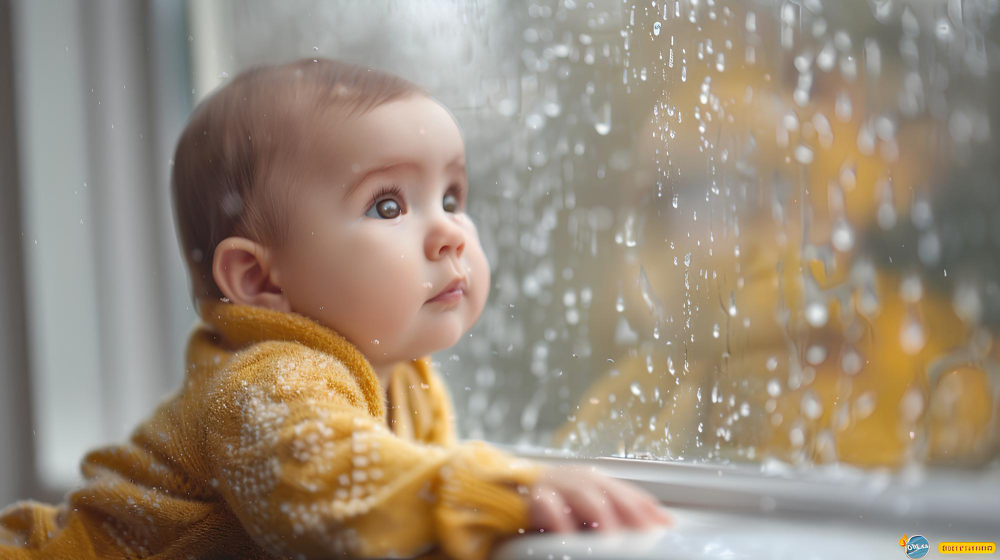
Rainy weather brings cool air and fresh smells. However, it also brings extra risks for babies. Safe Rainy Season Care for Newborns is very important. Newborns have weak immune systems. Because of this, they can catch infections easily. With the right steps, you can keep your baby healthy and safe. This guide will help you with newborn care in rainy season, protecting babies from infections, and more.
Common Risks for Newborns During the Rainy Season
During the rainy season, newborns face several health risks. For example, dampness and cold can make babies sick. Also, mosquitoes and germs grow faster in wet weather. Here are some common risks:
- Respiratory infections like coughs and colds
- Skin rashes from damp clothes or bedding
- Fungal infections due to moisture
- Diarrhea from contaminated water or food
- Mosquito-borne diseases such as dengue or malaria
Because of these risks, parents must stay alert and take extra care.
Symptoms of Illness to Watch For
Early signs of illness help you act quickly. Therefore, watch for these symptoms in your newborn:
- Fever or chills
- Frequent crying or irritability
- Difficulty breathing or fast breathing
- Rashes or red spots on the skin
- Loose stools or vomiting
- Poor feeding or refusal to feed
- Lethargy or unusual sleepiness
If you notice any of these, contact your doctor right away. Quick action can prevent serious problems.
Preventive Care Tips
Prevention is always better than cure. So, follow these rainy season health tips for infants:
- Keep your baby indoors during heavy rain
- Close windows to avoid cold drafts
- Use mosquito nets around the crib
- Wash your hands before touching your baby
- Keep visitors to a minimum to reduce infection risk
- Ensure all baby items are clean and dry
These steps help in protecting babies from infections and other rainy season risks.
Safe Hygiene Practices
Good hygiene keeps your newborn safe. For example, always wash your hands with soap before feeding or changing diapers. In addition, clean your baby’s bottles and pacifiers with hot water. Change diapers often to prevent rashes. Also, keep your baby’s nails short and clean. Because germs spread easily in wet weather, these habits are very important.
Recommended Clothing and Environment
Choosing the right clothes and environment helps keep your baby comfortable. Dress your newborn in soft, dry cotton clothes. Avoid thick or synthetic fabrics, as they trap moisture. If clothes get wet, change them right away. Moreover, keep your baby’s room dry and well-ventilated. Use a fan or dehumidifier if needed. Always check bedding for dampness. Because a dry environment prevents fungal infections, this step is key.
Breastfeeding and Nutrition Advice
Breast milk is the best food for newborns, especially in the rainy season. It boosts your baby’s immunity and protects against infections. If you are breastfeeding, eat a healthy diet and drink clean water. For formula-fed babies, always use boiled and cooled water. Clean bottles and nipples well. Because good nutrition supports your baby’s health, do not skip feeds. If your baby is older than six months, introduce soft, freshly cooked foods. Avoid street food or raw fruits during the rainy season.
When to Seek Medical Help
Sometimes, home care is not enough. Therefore, seek medical help if your baby:
- Has a fever above 100.4°F (38°C)
- Shows signs of dehydration (dry mouth, no tears, less urine)
- Has trouble breathing or turns blue
- Is very sleepy or hard to wake up
- Refuses to feed for more than two feeds
- Has repeated vomiting or diarrhea
Quick medical care can save lives. The CDC and WHO recommend early doctor visits for sick newborns.
Conclusion
In summary, Safe Rainy Season Care for Newborns is vital for your baby’s health. With simple steps, you can prevent most rainy season illnesses. Always watch for warning signs and keep your baby’s environment clean and dry. For any concerns, consult a paediatrician at Shreeji Clinic for Children for personalized newborn care advice during the rainy season.
