

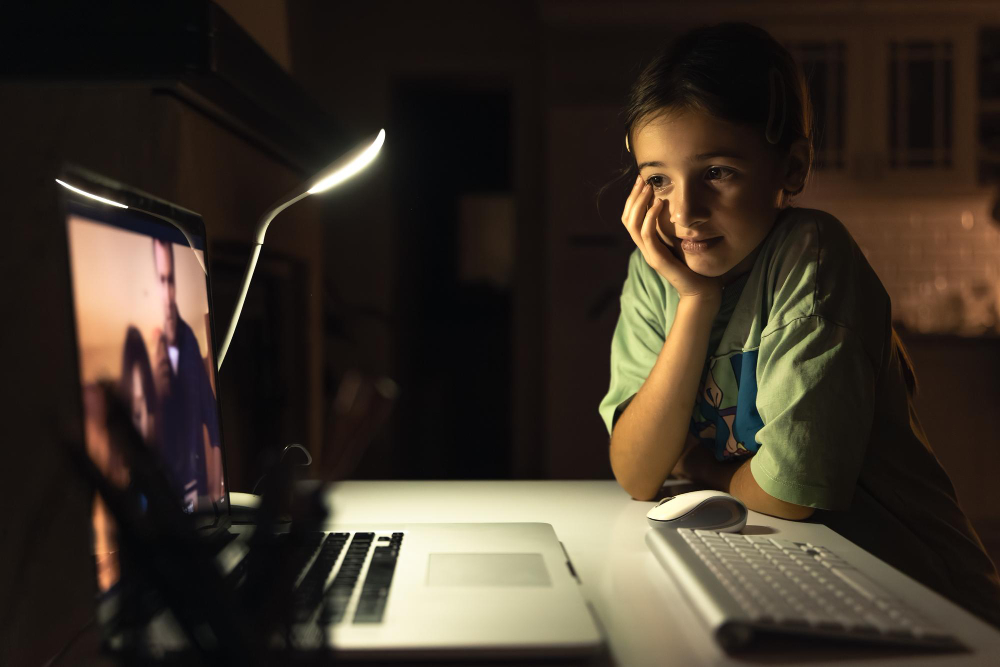
Introduction: What Is Screen Time and Why Does It Matter?
Screen time means the hours children spend using devices like phones, tablets, computers, or TVs. Today, many school kids use screens for learning and fun. However, too much screen time can lead to focus problems. In fact, experts warn that screen time and focus problems in school kids are becoming more common. Parents, teachers, and caregivers need to understand this issue to help children stay healthy and focused.
Symptoms: Signs of Focus Problems Linked to Excessive Screen Time
Sometimes, it is hard to notice when screen time affects a child’s attention. However, there are clear signs to watch for. For example, children may:
- Have trouble paying attention in class or at home
- Forget instructions or tasks easily
- Struggle to finish homework or chores
- Seem restless or fidgety
- Lose interest in activities they once enjoyed
- Show mood swings or irritability after using screens
Additionally, some kids may have trouble sleeping, which can make focus problems worse.
Causes: How and Why Screen Time Affects Attention in Kids
Many studies show that too much screen time can harm children’s focus. For instance, the World Health Organization (WHO) and the Centers for Disease Control and Prevention (CDC) both warn about these risks. But why does this happen?
- Screens often give fast rewards, making it hard for kids to enjoy slower activities.
- Bright lights and sounds from screens can overstimulate the brain.
- Long hours on devices may reduce time for sleep, play, and social interaction.
- Children may become less able to control impulses or stay patient.
Because of these reasons, screen time and focus in school kids are closely linked.
Diagnosis: How Parents and Teachers Can Spot Focus Issues
Early detection helps children get the support they need. Therefore, parents and teachers should look for patterns. For example, if a child’s focus drops after screen use, this may be a sign. Teachers may notice students daydreaming or missing details in lessons. At home, parents might see more arguments or unfinished chores. If these issues last for weeks, it is wise to talk to a doctor or school counselor.
Solutions & Treatment: Managing Screen Time and Improving Focus
Thankfully, there are many ways to help children balance screen time and focus. Here are some practical steps:
- Set daily screen time limits based on age (the American Academy of Pediatrics suggests 1-2 hours for school-aged kids).
- Encourage regular breaks from screens, especially during homework or study time.
- Use apps or device settings to track and control screen use.
- Promote outdoor play and physical activity every day.
- Establish tech-free zones, such as bedrooms or the dinner table.
- Model healthy screen habits as adults.
Moreover, keeping a daily routine helps children know what to expect and when to take breaks.
Prevention: Tips to Avoid Focus Problems from Digital Devices
Preventing focus issues is easier than treating them. Therefore, try these tips:
- Start healthy screen habits early, even before school age.
- Talk to children about why limits are important.
- Encourage hobbies that do not involve screens, like reading or drawing.
- Plan family activities that involve movement or conversation.
- Make sure children get enough sleep each night (9-12 hours for school-aged kids).
With these steps, families can reduce the risk of screen time and focus problems in school kids.
Lifestyle Guidance: Building Family Habits for Healthy Focus
Healthy routines support better focus for everyone. For example, families can:
- Eat meals together without screens
- Set a regular bedtime and wake-up time
- Read books or play board games as a group
- Take walks or play sports together
- Share daily highlights and challenges in conversation
Additionally, parents can praise children for good focus and effort, not just results. This builds confidence and helps kids stay motivated.
Reliable Data: What Do Experts Say?
According to the WHO, children aged 5-17 should limit recreational screen time to less than two hours per day. The CDC reports that many kids exceed this limit, which can lead to focus and sleep problems. Peer-reviewed studies also link high screen use to lower attention spans and poorer school performance. Therefore, following expert guidelines is important for every family.
Conclusion: Take Action for Your Child’s Focus
In summary, screen time and focus problems in school kids are real concerns. However, with the right steps, families can help children stay healthy and attentive. If you notice ongoing focus issues, consult a pediatrician Aniruddha Chatterjee for personalized advice on managing your child’s screen time and focus.
