

Introduction
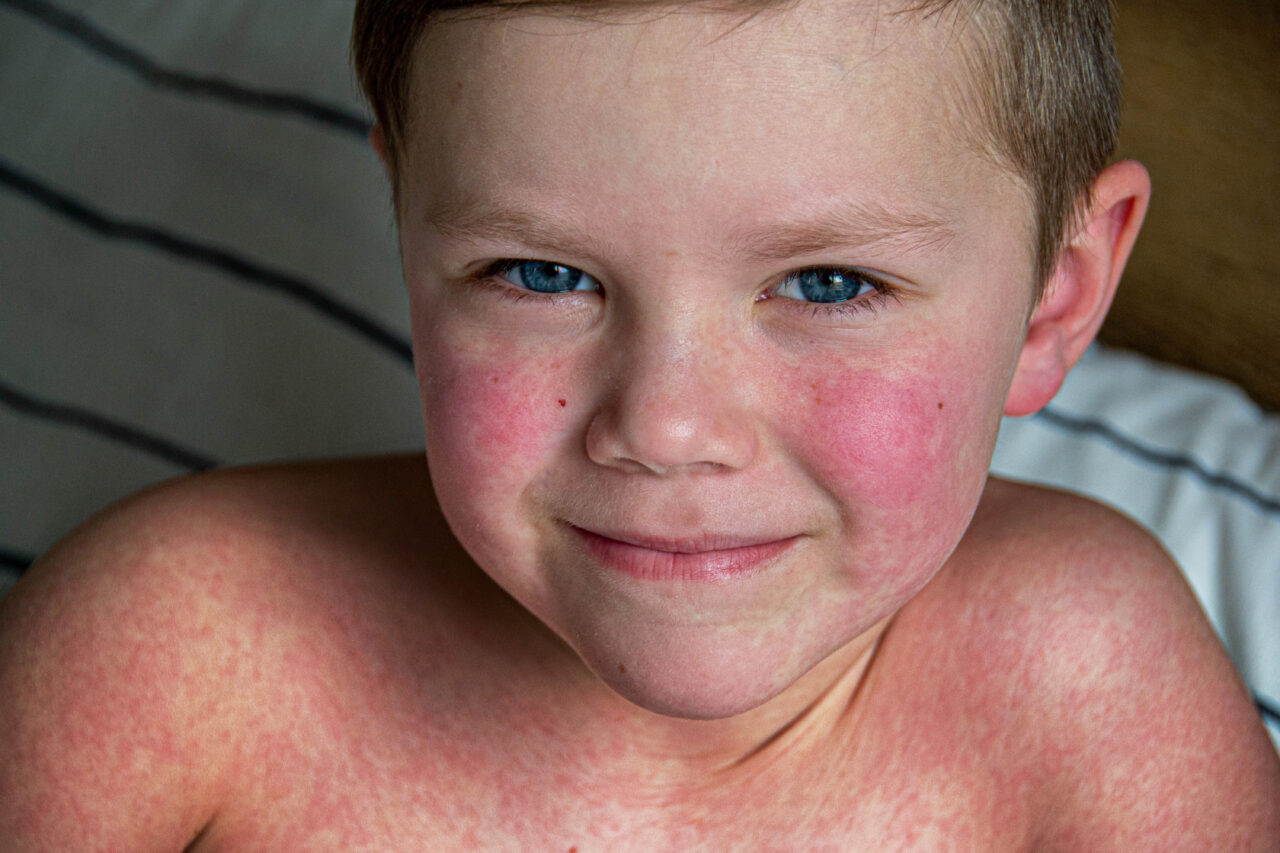
During the warmer months, many parents notice skin problems in their kids. Common summer rashes in children are frequent because heat, sweat, and outdoor play can irritate young skin. While most rashes are mild, some can cause discomfort. Therefore, knowing about summer skin rashes in kids helps you keep your child safe and comfortable.
Types of Common Summer Rashes
Several rashes appear more often in children during summer. Each has unique causes and signs. Here are the most common types:
- Heat Rash (Prickly Heat): Tiny red bumps caused by blocked sweat glands.
- Eczema Flare-Ups: Dry, itchy patches that worsen with heat and sweat.
- Insect Bite Reactions: Red, swollen spots from mosquito or other bug bites.
- Contact Dermatitis: Rash from touching plants, soaps, or chemicals.
- Hives: Raised, itchy welts often triggered by allergies or heat.
Symptoms of Each Rash
It is important to recognize the signs of each rash. This helps you decide how to care for your child. For example:
- Heat Rash: Small red or pink bumps, often on the neck, chest, or back. Sometimes, the skin feels prickly or itchy.
- Eczema: Dry, scaly, or red patches. These may appear on the face, elbows, or knees. The skin often feels itchy.
- Insect Bites: Swollen, red bumps that may itch or hurt. Sometimes, a small blister forms.
- Contact Dermatitis: Red, itchy rash where the skin touched an irritant. Blisters or peeling may occur.
- Hives: Raised, pale or red welts that move around the body. They can be itchy or sting.
Causes and Risk Factors
Many factors can lead to summer rashes in children. For instance, hot weather and sweating often trigger heat rash. In addition, outdoor play increases contact with plants and insects. Here are some common causes and risks:
- Hot, humid weather
- Sweating and tight clothing
- Exposure to plants like poison ivy
- Insect bites from mosquitoes or ants
- Allergies to soaps, lotions, or sunscreen
- Family history of eczema or allergies
Diagnosis (When to See a Doctor)
Most summer rashes in children are mild and go away on their own. However, you should see a doctor if:
- The rash spreads quickly or covers large areas
- Your child has a fever or seems very sick
- There is pain, swelling, or pus
- The rash does not improve after a few days
- Your child has trouble breathing or swelling of the face
Early medical advice can prevent problems. According to the CDC, some rashes may need special treatment.
Treatment Options
Treating summer skin rashes in kids depends on the cause. Most mild rashes can be managed at home. For example:
- Keep the skin cool and dry
- Use gentle, fragrance-free moisturizers
- Apply cold compresses to itchy areas
- Give oral antihistamines for itching (if advised by a doctor)
- Use over-the-counter creams for mild eczema or insect bites
However, always follow your doctor’s advice for child heat rash treatment or other skin problems.
Prevention Tips
Preventing rashes in children during summer is possible with simple steps. For instance:
- Dress your child in loose, light clothing
- Keep your child cool and avoid overheating
- Use gentle soaps and avoid harsh chemicals
- Apply child-safe insect repellent outdoors
- Encourage regular hand and face washing
- Rinse off sweat and dirt after outdoor play
Home Care and When to Seek Medical Help
Most summer rashes can be cared for at home. For example, keep the area clean and dry. In addition, avoid scratching to prevent infection. However, seek medical help if:
- The rash gets worse or spreads
- Your child has a high fever
- There are signs of infection, such as pus or pain
- Your child seems very unwell
Quick action can help your child recover faster.
In summary, common summer rashes in children are usually mild. But, knowing the symptoms and causes helps you protect your child. Consult a pediatrician Dr. Aniruddha Chatterjee for personalized advice if your child develops a rash.
