

Introduction
Ear infections in children are very common, especially during the rainy season. Wet weather and high humidity can increase the risk of ear problems in kids. Because of this, many parents notice more children’s ear infection symptoms when it rains. Understanding rainy season ear infection causes can help you protect your child. In this blog, you will learn about preventing ear infections in kids, common signs, and when to see a doctor.
What Are Ear Infections in Children?
Ear infections happen when germs like bacteria or viruses infect the middle ear. The middle ear is the space behind the eardrum. In children, this area can get blocked easily. As a result, fluid builds up and causes pain or swelling. Ear infections are one of the most common reasons children visit a doctor. They can affect one or both ears.
Why Are Ear Infections More Common During the Rainy Season?
During the rainy season, the air is more humid and damp. Because of this, germs can grow faster. Kids often play in puddles or get wet, which increases their risk. Also, sudden changes in temperature can affect the ear. For example, moving from a cold, air-conditioned room to warm, humid air can cause problems. All these factors make ear infections more likely in rainy weather.
Common Symptoms of Ear Infections in Kids
It is important to spot children’s ear infection symptoms early. Some signs are easy to notice, while others are mild. However, knowing what to look for can help you act quickly.
- Ear pain or pulling at the ear
- Fever, especially in younger children
- Trouble hearing or responding to sounds
- Fluid or pus coming from the ear
- Trouble sleeping or increased crying
- Loss of balance or dizziness
- Loss of appetite
If you notice these symptoms, especially during the rainy season, your child may have an ear infection.
Causes and Risk Factors During Rainy Weather
Many things can cause ear infections in kids, but the rainy season adds extra risks. For instance, wet weather helps germs spread. Children may also get colds or allergies more often in this season. Both can block the ear and lead to infection.
- High humidity helps bacteria and viruses grow
- Frequent colds and runny noses
- Allergies from mold or pollen
- Getting water in the ears while playing
- Poor air quality indoors due to closed windows
Because of these factors, parents should be extra careful during rainy months.
Diagnosis: How Ear Infections Are Identified
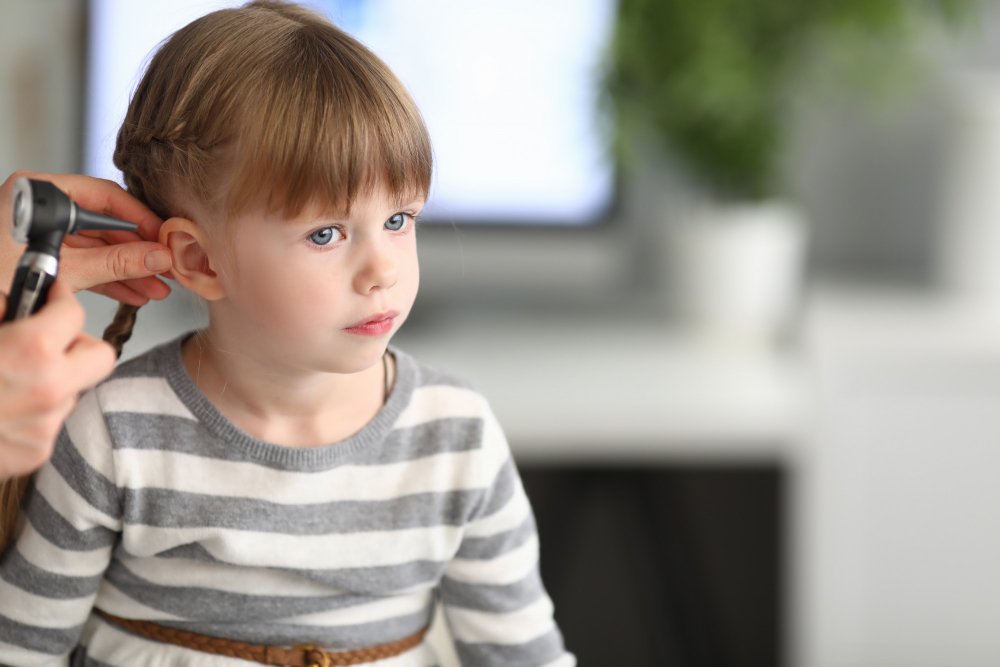
Doctors use simple tools to check for ear infections. Usually, they look inside the ear with a small light called an otoscope. This helps them see if the eardrum is red, swollen, or has fluid behind it. Sometimes, doctors may ask about your child’s symptoms or recent illnesses. In rare cases, they may order hearing tests or take a sample of ear fluid. However, most ear infections are easy to diagnose during a clinic visit.
Treatment Options for Children
Treatment depends on the cause and how bad the infection is. Often, mild ear infections get better on their own. However, doctors may suggest medicine to ease pain or reduce fever. If bacteria cause the infection, antibiotics may be needed. It is important to follow the doctor’s advice and finish all medicine, even if your child feels better.
- Pain relievers like acetaminophen or ibuprofen
- Warm compress on the ear for comfort
- Antibiotics if prescribed by the doctor
- Keeping your child hydrated
- Rest and quiet time
Never give your child medicine without talking to a doctor first.
Prevention Tips for Parents in the Rainy Season
Although ear infections are common, you can lower your child’s risk. During the rainy season, extra care is needed. Here are some tips to help prevent ear infections in kids:
- Keep your child’s ears dry after bathing or swimming
- Avoid letting your child play in dirty water or puddles
- Encourage frequent hand washing to stop the spread of germs
- Keep your home clean and free from mold
- Use a clean towel to dry your child’s ears gently
- Limit exposure to people with colds or flu
- Make sure your child is up to date on vaccines
By following these steps, you can help keep your child healthy during wet months.
When to See a Pediatrician
Sometimes, ear infections need medical care. If your child has severe pain, high fever, or fluid coming from the ear, see a doctor right away. Also, if symptoms last more than two days or keep coming back, it is best to get help. Early treatment can prevent problems and help your child recover faster.
Conclusion
Ear infections in children are more common during the rainy season. Because wet weather helps germs grow, kids are at higher risk. However, knowing the symptoms and causes can help you act quickly. Always follow prevention tips and watch for signs of infection. If your child shows symptoms of an ear infection, consult Dr. Aniruddha Chatterjee for personalized advice.
