
What Is Iron-Deficiency in Children?
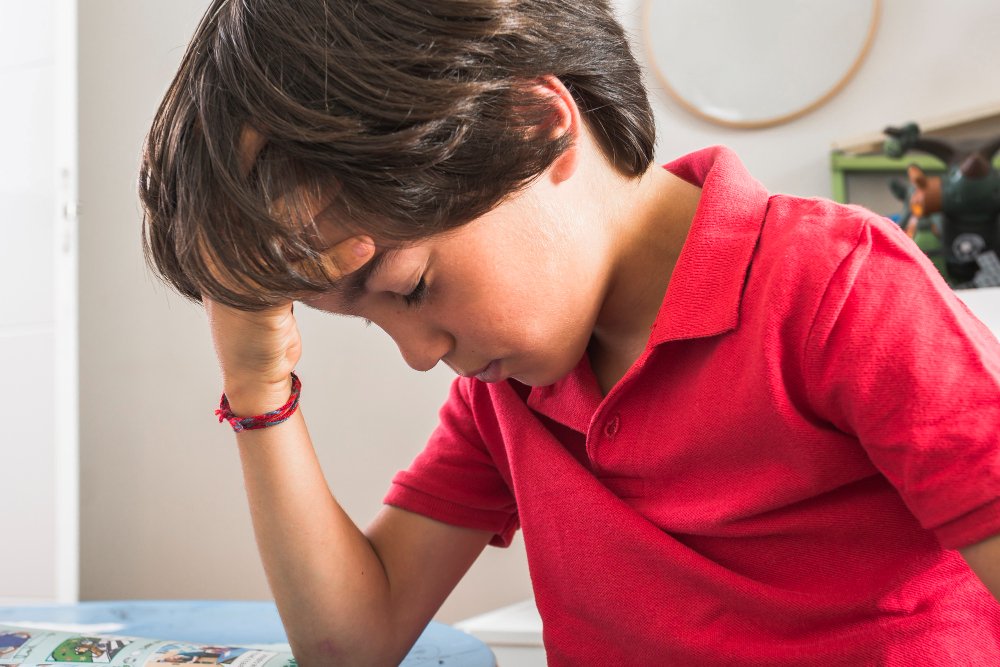
Iron-deficiency in children is a common health issue. It means the body does not have enough iron to work well. While many people think of low hemoglobin, iron-deficiency affects more than just blood levels. In fact, iron is needed for growth, learning, and energy. Without enough iron, your child may feel tired or have trouble focusing. Therefore, it is important to know the signs and act early.
Common Symptoms and Signs
Often, iron-deficiency in kids is hard to spot at first. However, several signs may appear as the problem grows. Watch for these symptoms:
- Tiredness or low energy
- Pale skin or pale inside the eyelids
- Weakness or feeling dizzy
- Shortness of breath during play
- Slow growth or poor weight gain
- Craving non-food items, like dirt or ice
- Frequent infections or getting sick often
- Problems with attention or learning
Sometimes, these signs of iron-deficiency in kids are mistaken for other issues. But, if you notice several of these, it is wise to talk to your doctor.
Causes of Iron-Deficiency in Kids
There are many reasons why children may not get enough iron. For example, some kids do not eat enough iron-rich foods. Others may lose iron due to health problems. Here are common causes:
- Poor diet with few iron-rich foods
- Drinking too much cow’s milk, which can block iron absorption
- Rapid growth, which increases iron needs
- Blood loss from injury or heavy periods in older girls
- Digestive issues that affect iron absorption
Because iron needs change as kids grow, it is important to check their diet often.
How Is Iron-Deficiency Diagnosed?
Doctors use several steps to find iron-deficiency in children. First, they ask about symptoms and diet. Next, they may do a physical exam. However, blood tests are the main way to check iron levels. These tests include:
- Hemoglobin and hematocrit tests
- Serum ferritin (shows stored iron)
- Serum iron and total iron-binding capacity
With these tests, doctors can spot iron-deficiency before it becomes severe. Early diagnosis helps prevent problems with growth and learning.
Treatment Options for Children
Treating iron-deficiency in children often starts with diet changes. However, some kids may need iron supplements. Doctors may suggest:
- Adding more iron-rich foods for children, like lean meats, beans, and leafy greens
- Using iron drops or tablets, as prescribed
- Pairing iron foods with vitamin C foods, like oranges, to help absorption
- Limiting cow’s milk if it is too high in the diet
Always follow your doctor’s advice about iron supplements. Too much iron can also be harmful.
Prevention Tips for Parents
Preventing anemia in children is easier than treating it. Here are some tips for parents:
- Offer a variety of iron-rich foods at every meal
- Limit cow’s milk to less than 24 ounces a day for young kids
- Encourage fruits and vegetables high in vitamin C
- Have regular check-ups with your pediatrician
- Watch for signs of iron-deficiency in kids, especially during growth spurts
With these steps, you can help keep your child healthy and strong.
Lifestyle and Dietary Guidance
Healthy habits make a big difference for your child’s iron levels. For example, plan meals that include:
- Red meat, chicken, or fish
- Beans, lentils, and tofu
- Spinach, broccoli, and peas
- Iron-fortified cereals and breads
- Fruits like oranges, strawberries, and tomatoes
Also, try to avoid giving tea or coffee to children, as these can block iron absorption. Instead, offer water or fruit juice with meals. With small changes, you can boost your child’s iron and overall health.
In summary, iron-deficiency in children is more than just low hemoglobin. It can affect growth, learning, and energy. Therefore, watch for signs and talk to your doctor if you are concerned. Consult a pediatrician at Shreeji Clinic for Children for personalized advice on iron-deficiency in your child.
