

Introduction
During the rainy season, many parents notice an increase in eye problems among children. Conjunctivitis in kids, also called eye flu, becomes more common during monsoon months. This infection can spread quickly, especially in crowded places or schools. Because of the wet and humid weather, germs thrive and make it easier for children to catch conjunctivitis. Early care and prevention can help protect your child’s eyes during this season.
What is Conjunctivitis (Eye Flu)?
Conjunctivitis is an infection or swelling of the thin layer covering the white part of the eye. This layer is called the conjunctiva. When it gets infected, the eye looks red and feels itchy or sore. In kids, conjunctivitis is often called eye flu. It can affect one or both eyes. Usually, the infection is mild, but it can be uncomfortable for children.
Common Symptoms in Kids
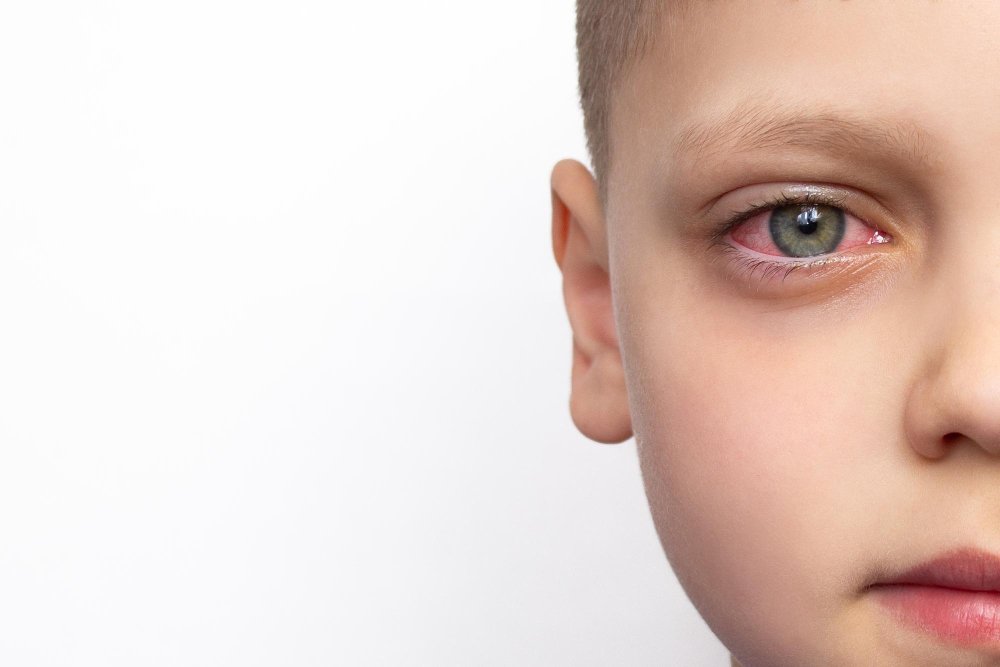
Recognizing eye flu symptoms in kids early can help prevent its spread. Some signs are easy to spot. For example, your child may complain about eye discomfort or you may notice changes in their eyes.
- Red or pink eyes
- Watery or sticky discharge
- Itchy or burning feeling
- Swollen eyelids
- Crusting on eyelashes, especially after sleep
- Sensitivity to light
- Frequent rubbing of the eyes
If you see these symptoms, it is important to act quickly. Early care can help your child feel better and stop the infection from spreading.
Causes and How It Spreads During Monsoon
Conjunctivitis in children during monsoon is mostly caused by viruses or bacteria. Sometimes, allergies or irritants like dust can also lead to eye flu. However, during the rainy season, germs spread more easily because of the damp air and close contact in schools or homes.
Here’s how conjunctivitis spreads:
- Touching eyes with dirty hands
- Sharing towels, pillows, or handkerchiefs
- Using contaminated water to wash the face
- Being near someone with eye flu
Therefore, teaching children good hygiene is very important during the monsoon. According to the CDC, handwashing is one of the best ways to prevent the spread of infections.
Diagnosis and When to See a Doctor
Most cases of conjunctivitis in kids can be diagnosed by looking at the eyes and asking about symptoms. Sometimes, a doctor may gently take a sample of the eye discharge to check for bacteria or viruses. If your child’s symptoms are mild, home care may be enough. But, you should see a doctor if:
- The eye pain is severe
- Vision becomes blurry
- There is a lot of swelling
- Symptoms do not improve in a few days
- Your child is a newborn or has weak immunity
Early diagnosis helps prevent complications and ensures the right treatment.
Effective Home Care and Treatment Options
Most cases of eye flu in children get better with simple home care. However, you should always follow your doctor’s advice. Here are some helpful steps:
- Clean the eyes gently with a clean, wet cloth
- Use prescribed eye drops or ointments as directed
- Wash hands before and after touching the eyes
- Do not let your child rub their eyes
- Keep your child’s towels and bedding separate
- Encourage rest and keep your child at home until symptoms improve
For allergic conjunctivitis, your doctor may suggest anti-allergy drops. Never use over-the-counter medicines without checking with a doctor first. According to the World Health Organization, proper hygiene and care can speed up recovery.
Prevention Tips for Parents During Monsoon
Preventing conjunctivitis in rainy season is possible with a few simple steps. As a parent, you can help your child avoid eye flu by following these tips:
- Teach your child to wash hands often
- Remind them not to touch or rub their eyes
- Do not share towels, pillows, or eye drops
- Use clean water for washing the face
- Keep your child away from others with eye flu
- Clean toys and surfaces regularly
- Keep your home dry and well-ventilated
In monsoon-prone regions, these habits are even more important. Good hygiene can protect your child and others from infection.
When to Seek Emergency Care
Although most cases of conjunctivitis in kids are mild, sometimes urgent care is needed. Seek emergency help if your child:
- Has severe eye pain
- Cannot open their eye
- Develops sudden vision loss
- Has pus or blood coming from the eye
- Shows signs of serious illness, like high fever or confusion
Quick action can prevent lasting eye problems. Always trust your instincts as a parent.
Conclusion
To sum up, conjunctivitis in kids is common during the monsoon. With early care and good hygiene, most children recover quickly. If your child shows symptoms of conjunctivitis, consult a pediatrician Dr. Aniruddha Chatterjee for personalized care.
