
Introduction
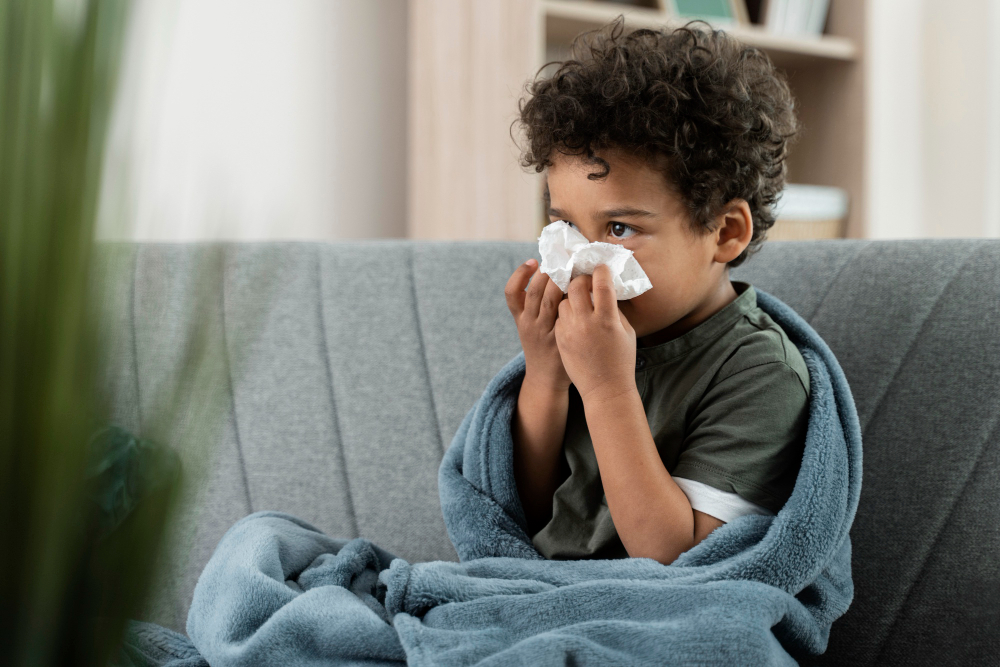
During the rainy season, cough, cold, and flu in children become very common. Many parents notice their kids getting sick more often at this time. The wet weather helps viruses spread easily. As a result, children are more likely to catch these illnesses. In this blog, you will learn about the symptoms, causes, and ways to prevent cough, cold, and flu in children during the rainy season. We will also share helpful child cough rainy season tips and cold remedies for children.
What Are Cough, Cold & Flu in Children?
Cough, cold, and flu are common infections in children. Usually, these illnesses affect the nose, throat, and lungs. The common cold is often mild. However, the flu can cause more serious symptoms. Both are caused by viruses. Children can get these illnesses many times a year, especially during the rainy season. Understanding the difference helps parents care for their kids better.
Common Symptoms
Children may show different symptoms when they have a cough, cold, or flu. However, some signs are very common. Watch for these symptoms:
- Runny or stuffy nose
- Sneezing
- Coughing
- Sore throat
- Fever (more common with flu)
- Headache
- Body aches
- Tiredness or weakness
- Loss of appetite
Sometimes, children may also have vomiting or diarrhea, especially with the flu. If your child has trouble breathing or high fever, seek medical help right away.
Main Causes During Rainy Season
During the rainy season, viruses spread more easily. Wet weather and crowded places help germs move from one child to another. Also, children often play indoors when it rains. This makes it easier for viruses to pass between kids. Poor ventilation and dampness can also increase the risk. According to the CDC, viruses like influenza and rhinovirus are more active in cool, wet weather.
How These Illnesses Spread
These illnesses spread mainly through droplets in the air. When a sick person coughs or sneezes, tiny droplets carry the virus. Other children can breathe in these droplets. Sometimes, kids touch surfaces with germs and then touch their nose or mouth. Because children often forget to wash their hands, they can get sick more easily. Sharing toys or food can also spread the virus.
Diagnosis and When to See a Doctor
Most coughs and colds get better on their own. However, sometimes a doctor’s visit is needed. Doctors usually check your child’s symptoms and may listen to their chest. In rare cases, they may suggest a test for flu or other infections. See a doctor if your child:
- Has a high fever for more than three days
- Has trouble breathing or fast breathing
- Looks very tired or weak
- Is not drinking enough fluids
- Has chest pain
Early care can prevent serious problems. Always trust your instincts as a parent.
Effective Treatment Options
Most coughs, colds, and mild flu cases do not need special medicine. Instead, focus on comfort and rest. Doctors may suggest:
- Plenty of fluids to prevent dehydration
- Paracetamol or ibuprofen for fever and pain (as advised by your doctor)
- Saline nasal drops for stuffy nose
- Rest and sleep
Antibiotics do not work against viruses. Only use them if your doctor prescribes them for a bacterial infection. According to the WHO, most children recover with simple care at home.
Home Care and Comfort Measures
At home, you can help your child feel better with simple steps. For example:
- Offer warm soups or drinks
- Use a humidifier to keep air moist
- Keep your child’s head slightly raised while sleeping
- Encourage hand washing often
- Clean toys and surfaces regularly
Additionally, make sure your child gets enough rest. Avoid sending them to school until they feel better.
Prevention Tips for Parents
Preventing cough, cold, and flu in children during the rainy season is possible. Try these rainy season child health tips:
- Teach children to wash hands with soap often
- Keep your home clean and dry
- Avoid crowded places when possible
- Make sure your child eats healthy foods
- Keep your child’s vaccinations up to date
- Dress children in dry, warm clothes
- Do not let children play in dirty rainwater
With these steps, you can help prevent flu in kids and reduce the risk of illness.
When to Seek Emergency Care
Sometimes, cough, cold, or flu can become serious. Seek emergency care if your child:
- Has trouble breathing or is breathing very fast
- Turns blue or very pale
- Cannot wake up or is very drowsy
- Has a seizure
- Shows signs of dehydration (no tears, dry mouth, no urine for 8 hours)
Quick action can save lives. Never wait if you feel something is wrong.
Conclusion
In summary, cough, cold, and flu in children during the rainy season are common but often mild. With good care and prevention, most children recover quickly. However, always watch for warning signs. Consult a pediatrician Dr. Aniruddha Chatterjee at Shreeji Clinic for Children for personalized guidance if your child shows severe symptoms or if you are worried about their health.
