

Introduction
Hand foot and mouth disease in children is a common illness. It often affects young kids, especially those under five years old. Many parents worry when their child gets sick. However, most cases are mild and clear up on their own. In this blog, you will learn about HFMD symptoms, causes, diagnosis, treatment, and how to prevent it.
What is Hand, Foot & Mouth Disease?
Hand, foot and mouth disease (HFMD) is a viral infection. It is caused by several types of viruses, most often the coxsackievirus. Children usually get HFMD in daycare or school settings. Although adults can get it, children are more likely to catch it. The illness is not the same as foot-and-mouth disease in animals.
Symptoms in Children
HFMD symptoms in children usually appear three to six days after exposure. The signs can vary, but most children have:
- Fever, often the first sign
- Sore throat
- Feeling unwell or tired
- Painful sores in the mouth, tongue, or throat
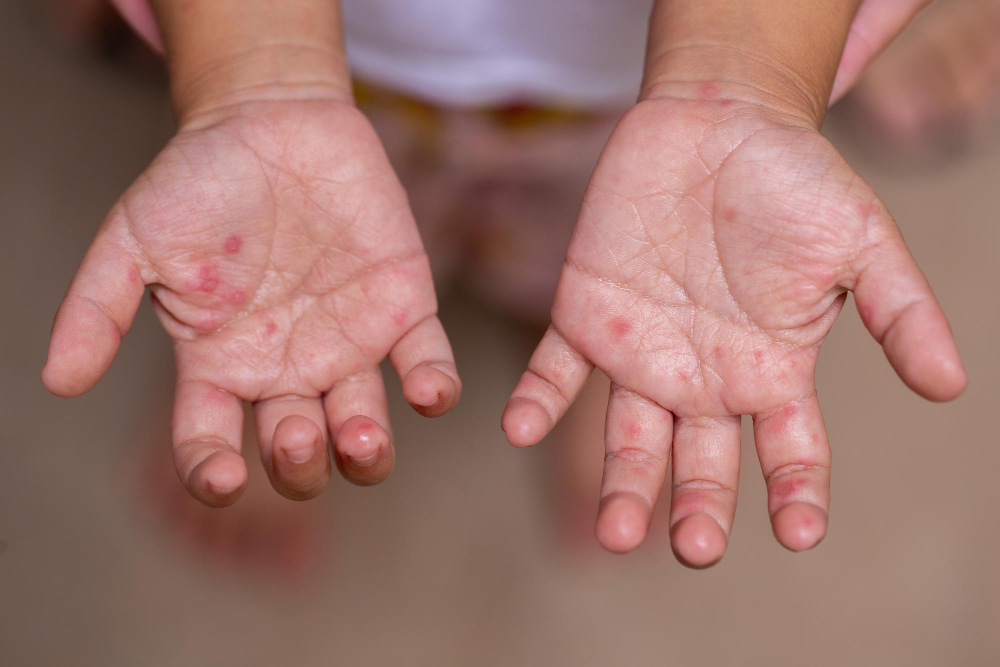
- Red spots or rashes on the hands, feet, and sometimes buttocks
- Loss of appetite
Sometimes, children may also drool more than usual because mouth sores hurt. In rare cases, the rash can appear on other body parts.
Causes and How It Spreads
Hand foot and mouth disease in children is caused by viruses from the enterovirus group. The coxsackievirus A16 is the most common. However, other viruses can also cause HFMD. The disease spreads easily, especially in group settings.
Here are some ways HFMD spreads:
- Close contact with an infected person
- Touching objects or surfaces with the virus
- Contact with saliva, nasal mucus, or fluid from blisters
- Changing diapers of a sick child
Because the virus is contagious, outbreaks often happen in schools or daycare centers.
Diagnosis
Doctors usually diagnose hand foot and mouth disease in children by looking at the symptoms. They may check the mouth, hands, and feet for sores or rashes. In most cases, lab tests are not needed. However, if symptoms are severe or unclear, the doctor may take a throat swab or stool sample for testing.
Treatment Options
There is no specific medicine to cure HFMD. Most children recover within seven to ten days. Treatment focuses on easing symptoms and keeping your child comfortable. Here are some common treatment steps:
- Give plenty of fluids to prevent dehydration
- Offer soft foods if mouth sores make eating hard
- Use acetaminophen or ibuprofen for fever and pain (never give aspirin to children)
- Encourage rest
Although most cases are mild, always watch for signs of dehydration or worsening symptoms.
Home Care and Lifestyle Tips
At home, you can help your child feel better. For example, offer cold drinks or ice pops to soothe mouth pain. Avoid spicy or acidic foods, as they can make sores hurt more. Keep your child’s hands and face clean to prevent spreading the virus. In addition, make sure your child gets enough rest.
Prevention Strategies
Preventing HFMD in kids is important, especially during outbreaks. While you cannot always avoid the virus, these steps can help:
- Wash hands often with soap and water, especially after using the bathroom or changing diapers
- Clean and disinfect toys, surfaces, and shared items
- Teach children not to share cups, utensils, or towels
- Keep sick children home from school or daycare until they are better
Because the virus can live on surfaces, regular cleaning is key.
When to See a Doctor
Most cases of hand foot and mouth disease in children are mild. However, you should call your doctor if:
- Your child cannot drink fluids or shows signs of dehydration (such as dry mouth or less urination)
- Fever lasts more than three days
- Symptoms get worse or do not improve after a week
- Your child seems very sleepy or hard to wake
Early medical advice can help prevent complications.
Conclusion and Call-to-Action
Hand, foot, and mouth disease (HFMD) is common in children and is usually mild, with most recovering at home with rest and supportive care. Practicing good hygiene and preventive measures can reduce the risk of spreading the infection. At Shreeji Clinic for Children, our pediatricians provide expert guidance and personalized care for children showing symptoms of HFMD. Consult us promptly for proper evaluation and advice.
